Fuligo septica
Scientific name: Fuligo septica (L.) F. H. Wigg.
Derivation of name: septica means "rotten" or "putrefying"
Synonyms: Mucor septicus L.
Common name(s): Scrambled-egg slime.
Phylum: Myxomycota
Order: Physarales
Family: Physaraceae
Occurrence on wood substrate: Occurring as slimy to
crust-like sheets or cushion-like iregular masses on stumps,
logs, living
plants, and wood mulches in landscapes; May
through October.
Dimensions: Masses are 2.5 to 20 cm long, almost as wide,
and 1-3 cm thick.
Description: This slime mold first appears as a white to
yellow
slimy mass with dimensions as given. The "flesh"
transforms into
a crusty, cake-like mass of darker and
variable color. The brittle
crust easily breaks away to reveal
a dull-black spore mass.
Comments:
Although
many slime mold species fruit on
wood
they do not form a
penetrating and absorptive mass
of hyphae in
the wood
substrate. Rather, slime molds form
structures called
plasmodia which are naked (i.e., without
cell walls) masses of
protoplasm which can move and engulf
particles of food in an
amoeboid manner. Slime mold
plasmodia creep about over the
surfaces of materials,
engulfing
bacteria, spores of fungi and
plants, protozoa, and
particles of
nonliving organic matter. At
some point,
plasmodia convert into spore-bearing
structures.
In Fuligo, the plasmodium
converts into a
cushion-shaped
mass of spores enclosed by an outer wall called
a peridium.
This structure is called an aethalium
(plural: aethalia). Fuligo
septica produces the largest spore-producing
structure of
any known slime mold.
More information at MidwestNaturalist.com
More information at TomVolkFungi.net:
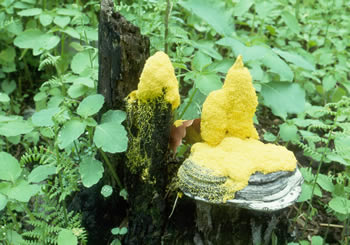
Figure 1. In this scene, the plasmodium of scrambled-egg
slime has crept all over this stump and even a polypore
fungus. Photo © William Roody.
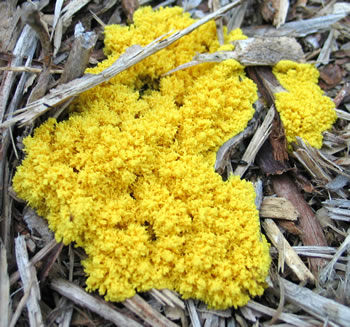
Figure 2. Wood chips are a very common location for
plasmodia to start forming aethalia. Photo © Melissa
Emberger.
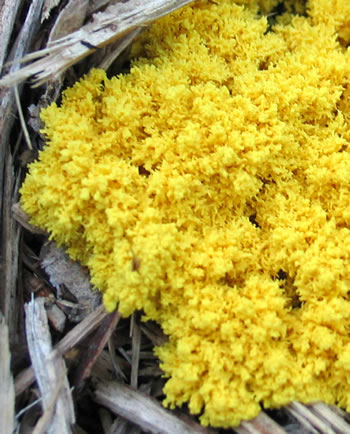
Figure 3.
With its sudden appearance, bright
yellow color
and
conspicuous size, Fuligo septica is often quite
striking and grabs the attention of those who observe it.
Photo © Melissa
Emberger.
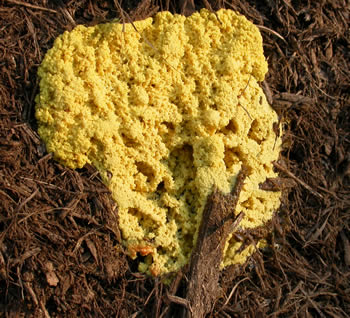
Figure 4.
This plasmodium on bark mulch is moving in an
upward direction in this view. Photo © Gary Emberger.
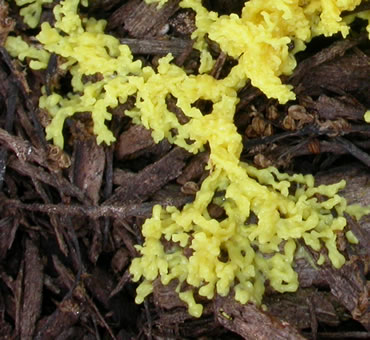
Figure 5. The plasmodium often spreads out in a fan-shaped
pattern over the supporting material.
Photo © Gary Emberger.
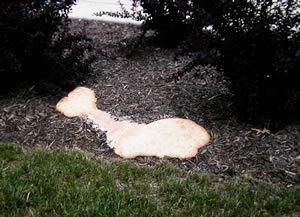
Figure 6.
Here, a very large yellowish plasmodium
has converted to a very large aethalium, the
spore-bearing stage. Photo © Gary Emberger.
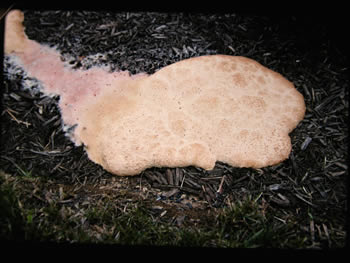
Figure 7. A closer view of the slime mold in Figure 6. Note
the darker and varying colors of the outer peridium.
Photo © Gary Emberger.
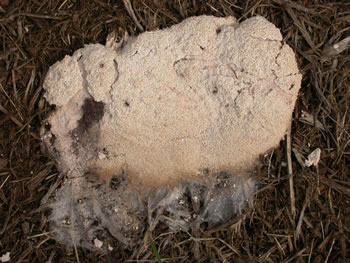
Figure 8.
In the spore-bearing stage, slime molds are dry
and brittle. Breaking open the peridium exposes millions of
dry, dusty spores. Photo © Gary Emberger.