Xylobolus frustulatus
Scientific name: Xylobolus frustulatus (Pers.)
Boidin
Derivation of name: frustul means "a little piece."
Synonyms: Stereum frustulatum (Pers.) Fr.
Common name(s): Ceramic parchment
Phylum: Basidiomycota
Order: Russulales
Family: Stereaceae
Occurrence on wood substrate: Saprobic; clustered on
hardwood logs, particularly oak; year-round.
Dimensions: Individual fruitbodies 0.3 to 2 cm wide.
Description: Fruitbodies occur as crowded, polygonal, woody
plates that resemble broken pieces of tile. The fertile
surface is
pinkish-buff to whitish and the outer, sterile surface is
blackish. Colonies of these fungi can cover considerable areas
of wood.
Comments: Most commonly found on old decorticated oak
logs and stumps.
More information at MushroomExpert.com
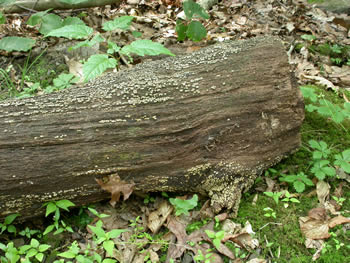
Figure 1. Appearance of ceramic parchment on an oak
log. Photo © Gary Emberger.
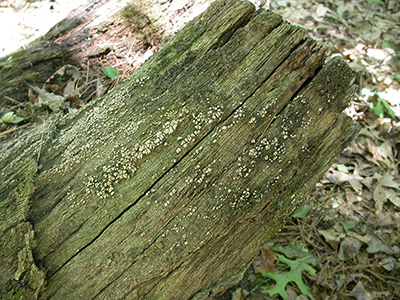
Figure 2.
Xylobolus frustulatus on oak.
Photo © Gary Emberger.
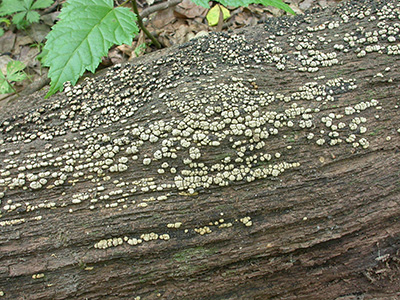
Figure 3. The wood supporting the growth of Xylobolus
frustulatus
is typically quite intact, making it very difficult to
remove a specimen using just a small knife.
Photo © Gary Emberger.
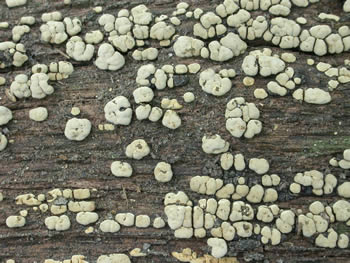
Figure 4. Many
individual fruitbodies are typically
clustered together like broken pieces of tile.
Photo © Gary Emberger.
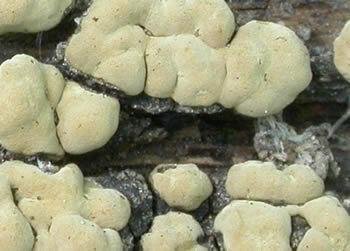
Figure 5. The light-colored surfaces bear basidia.
Photo © Gary Emberger.
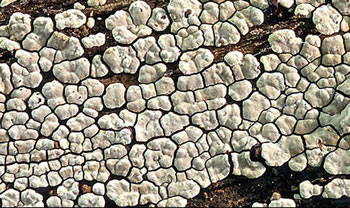
Figure 6. Note how tightly clustered the individual "tiles"
are.
Photo © George Barron.
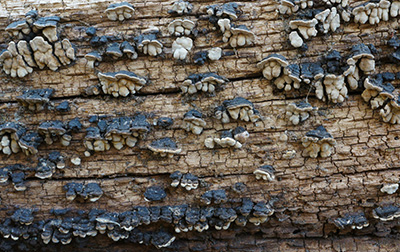
Figure 7. In these unusual specimens, the blackish, sterile surface
has formed cap-like structures extending over the light-colored
fertile surfaces. Photo © Tom Bigelow.
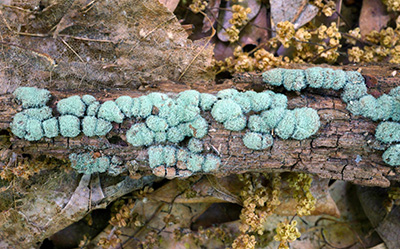
Figure 8. These ceramic parchment specimens
have been colonized
by Hypomyces xyloboli which produces greenish, asexual spores
(i.e., conidia).
Photo © Tom Bigelow.