Omphalotus illudens
Scientific name: Omphalotus illudens (Schwein.)
Bresinsky & Besl
Derivation of name: Omphalos means "navel" and otos means
"like" or "resembling" in reference to the depressed centers
("belly-buttons')
of the caps.
Illudens means "deceiving" although
I'm not certain why this specific epithet is applied to this
species. I once heard a person say it's because it looks like
the
European species O. olearius, which grows only grows
in
association with olives.
Synonyms: Clitocybe illudens (Schwein.) Sacc.
Common name(s): Jack O' Lantern mushroom; False
Chanterelle
Phylum: Basidiomycota
Order: Agaricales
Family: Marasmiaceae
Occurrence on wood substrate: Saprobic; in dense
cespitose clusers at the base of deciduous trees and stumps
or on the ground from decaying underground roots; July
through November.
Dimensions: Caps 7.5-20 cm wide; stipes 7.5-20 cm long
and 0.5-2.3 cm thick.
Cap: Smooth; bright orange to yellow-orange.
Gills: Decurrent; same color as cap.
Spore print: Creamy white.
Stipe: Yellow-orange, typically cespitose (i.e., with bases of
stems pressed tightly against each other).
Veil: Absent.
Edibility: Poisonous.
Comments: The gills of this mushroom are bioluminescent
giving off a green glow. Care must be taken to not confuse
this poisonous mushroom with edible chanterelles.
Chanterelles are not associated with decaying wood, they
have blunt gill-like folds or ridges instead of true gills, and
they do not occur in such dense cespitose clusters. Jack
O' Lantern is also sometimes confused with
Hygrophoropsis aurantiaca. Jack O'Lantern does not
have forked gills (Fig. 11) whereas H. aurantica does.
More information at MushroomExpert.com:
More information at TomVolkFungi.net:
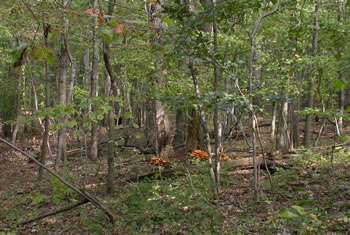
Figure 1. The orange coloration of Omphalotus illudens
is evident even when viewed from a distance.
Photo © Gary Emberger.
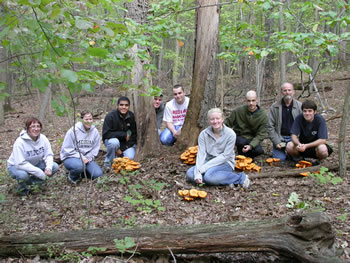
Figure 2. A mycology class sitting among the specimens
observed in Figure 1. Photo © Gary Emberger.

Figure 3. Up close, the large, brilliant-orange clusters of
Jack O' Lantern are a beautiful visual treat.
Photo © George C.
Gress.
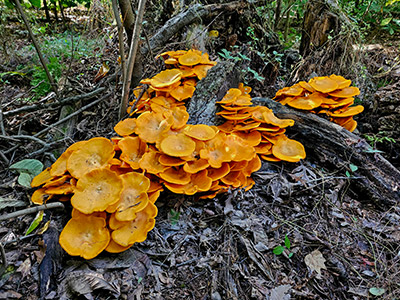
Figure 4. A visually striking display of Omphalotus illudens
on a well-rotted stump. Photo © George Morrison.
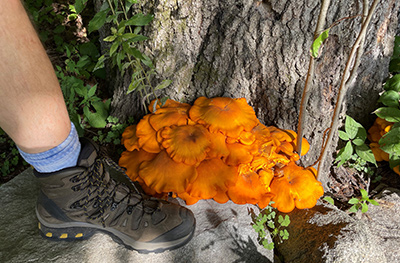
Figure 5. A showy display of Jack O' Lantern mushrooms
caught the eye of this hiker. Photo © Heidi Rocha.
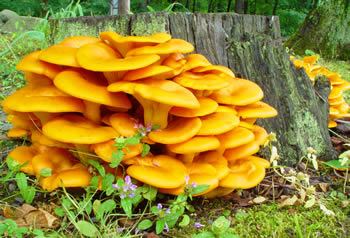
Figure 6. These specimens of Omphalotus illudens are
much more yellowish-orange than those in Figures 1-5.
Photo © David Work.
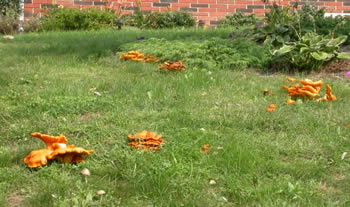
Figure 7. In contrast to Figures 1-6, another typical
location for these mushrooms is on lawns where the
fungus arises from dead roots. The owner of this house
indicated a large
pin oak tree was recently removed
from this area of the lawn.
Photo © Gary Emberger.
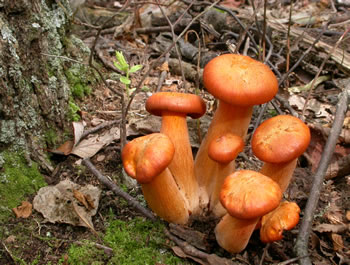
Figure 8. Young specimens appearing in cespitose array.
Note the inrolled/incurved margins of the caps.
Photo © Gary Emberger.
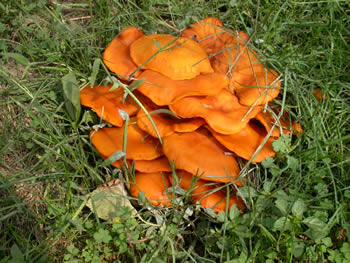
Figure 9. Maturing specimens with even cap margins.
Photo © Gary Emberger.
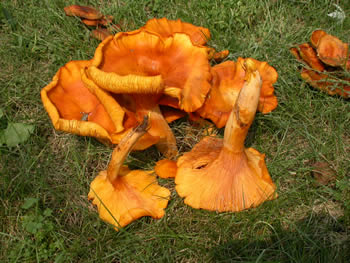
Figure 10. Quite mature specimens with uplifted and
wavy cap margins. Figures 8-10 illustrate the changes in
shape which so often accompany mushrooms as they
develop. Photo © Gary Emberger.
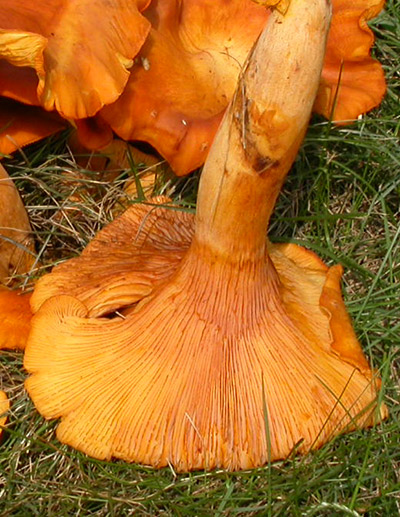
Figure 11. Close-up of one of the inverted mushrooms in
Fig. 10 showing the decurrent gills of the Jack O' Lantern
mushroom. Photo © Gary Emberger.
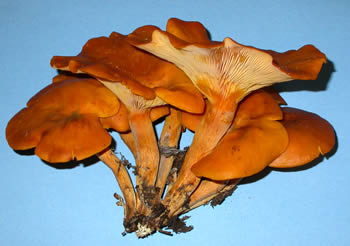
Figure 12. Jack O' Lantern mushrooms grow in
cespitose clusters where the stipes
arise close together
but are not joined. Photo © Gary Emberger.
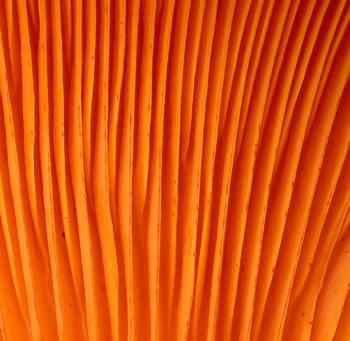
Figure 13. The gills of Omphalotus illudens are not
forked. The gills of
Hygrophoropsis aurantiaca, a species
sometimes confused with Omphalotus illudens, are
repeatedly forked.
Photo © Gary Emberger.