Pholiota spp.
Scientific names: Kuehneromyces vernalis
(Sacc.)
Singer & A.H. Sm. (= P. vernalis);
Pholiota spumosa
(Fr.) Singer; Pholiota
populnea (Pers.) Kuyper &
Tjall.-Beuk.;
Pholiota polychroa (Berk.) A.H. Sm. &
H.J. Brodie; Kuehneromyces mutabilis
(Schaeff.) Singer
& A.H. Sm.
(= P. mutabilis); Pholiota highlandensis
(Peck) A.H. Sm. & Hesler; Pholiota flavida
(Schaeff.)
Singer; Hemistropharia
albocrenulata (Peck) Jacobsson
& E.
Larss. (= P. albocrenulata).
Derivation of names: Phol- means "scale"
referring to the scaly caps of many species in
the genus. Vernalis pertains to
spring.
Spumosa
means "foamy" or "foaming."
Populnea refers
to poplars and aspens. Polychroa means "many
colors."
Mutabilis means "changeable."
Highlandensis means TBD. Flavida means
"yellowish." Albocrenulata means
"white
notched."
Phylum: Basidiomycota
Order: Agaricales
Family: Strophariaceae
Occurrence on wood substrate: Saprobic;
many grow
in clusters on deciduous wood
and/or conifers but some
are terrestrial,
growing from buried or burned wood;
spring through fall depending on the species.
Dimensions: Consult field guides.
Cap: Many of the large specimens have scaly
and/or
slimy caps but some species have smooth
caps.
Gills: Attached
Spore print:Brown to rusty-brown to
cinnamon-brown.
Stipe: Consult field guides.
Veil: Evidences of partial veils (rings, ring zones)
and/or
universal veils (scales) evident in young
specimens.
Comments: Few Pholiota species can be identified
with certainty apart from microscopic examination.
This is true even of P. aurivella which can be
indistinguisable macroscopically from P. limonella.
Microscopic examination of spores may also be
necessary to avoid confusion with Gymnopilus spp.
Pholiota spores are smooth whereas spores of
Gymnopilus species are finely roughened (warty).
Species identifications by the contributing
photographers were accepted as is but note that
some Pholiota species are placed in other
genera such as Kuehneromyces.
More information at MushroomExpert.com:
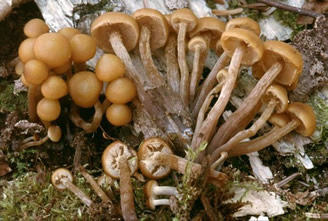
Figure 1. P. vernalis. Photo © Steve Nelsen.
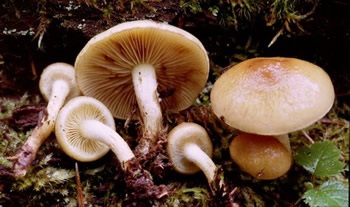
Figure 2. P. spumosa complex.
Photo © Steve Nelsen.
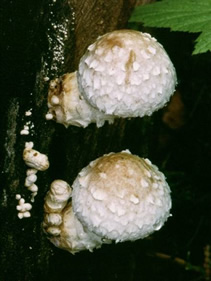
Figure 3. P. populnea.
Photo © Steve Nelsen.
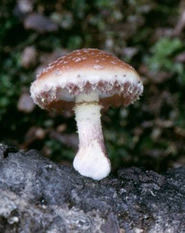
Figure 4. P. polychroa.
Photo © Steve Nelsen.
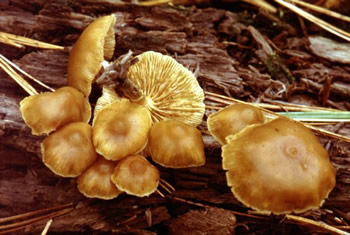
Figure 5. P. mutabilis. Photo © Steve Nelsen.
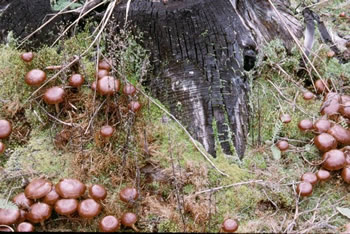
Figure 6. P. highlandensis. Photo © Steve Nelsen.
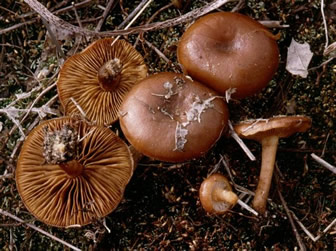
Figure 7. P. highlandensis. Photo © Steve Nelsen.
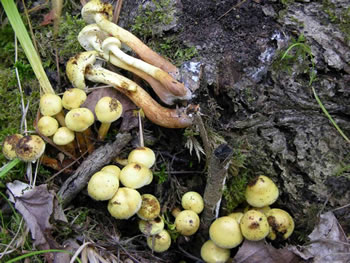
Figure 8. P. flavida complex. Photo © Steve Nelsen.
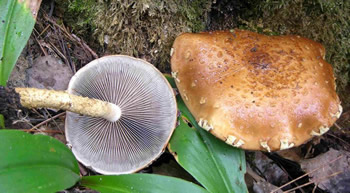
Figure 9. P. albocrenulata. Photo © Steve Nelsen.
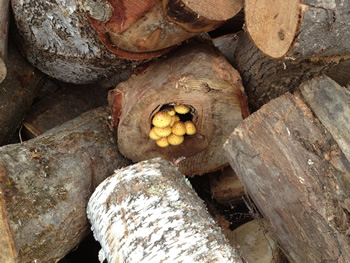
Figure 10. Firewood log with Pholiota species emerging from
the decayed
heartwood.
Photo © Michael Emberger.
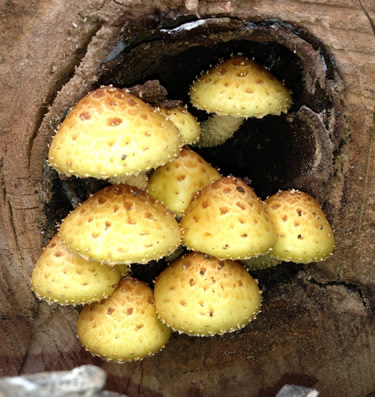
Figure 11. Enlargement of cespitose cluster in Figure 10.
Photo © Michael Emberger.