Stropharia rugosoannulata
Scientific name: Stropharia rugosoannulata
Farl.
ex Murrill
Derivation of name: Stroph- means "belt" or "sword belt"
referring to the prominent ring on the stalk. Rugos- means
"wrinkle" or "fold" and
annul- means "ring" (annulus).
Rugosoannulata describes
the wrinkled ring of this mushroom.
Synonyms: Naematoloma rugosoannulatum (Farlow ex
Murrill) S. Ito
Common name(s): Wine-cap; Burgundy-cap; Wine-cap
Stropharia; Wine-red Stropharia.
Phylum: Basidiomycota
Order: Agaricales
Family: Strophariaceae
Occurrence on wood substrate: Saprobic; scattered or in
groups on wood chips, mulch, gardens, woodland borders;
May through October.
Dimensions: Caps 5-15 cm wide; stipes 7-20 cm long and
1-3 cm thick.
Cap: Dry; smooth, cracked in age; reddish-brown to
reddish-purple, fading to pale brown or grayish-white.
Gills: Attached; white at first, turning grayish-lilac to purple-
black with maturity.
Spore print: Purple-brown to purple-black.
Stipe: Whitish, discoloring yellow to brown; with white
rhizomorphs at base.
Veil: White; radially striate or grooved on the upper surface,
deeply segmented below; forming a persistent, membranous
ring on the upper stalk.
Comments: Sometimes called King Stropharia and grown
commercially in Europe. Miller states that it is not found in
natural habitats in North America.
.
More information at MushroomExpert.com:
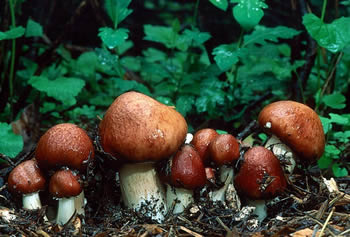
Figure 1. Young wine-cap stropharia
with intense
coloration. Photo © Pam Kaminski.
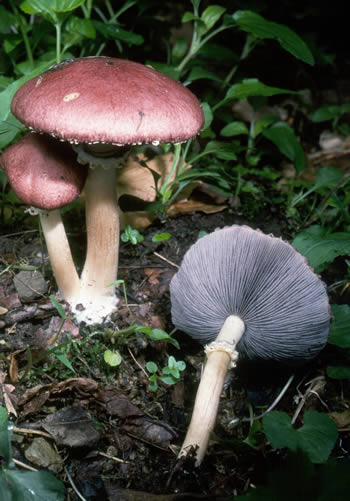
Figure 2. Grayish-lilac gills. Photo © William Roody.
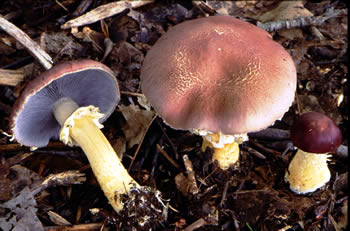
Figure 3. Young, maturing, and older (with cracks on cap)
specimens of Stropharia rugosoannulata. Photo © John
Plischke III.
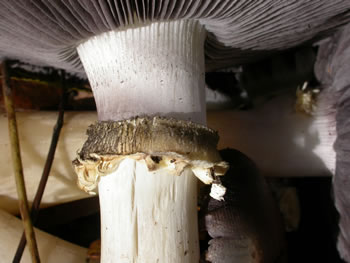
Figure 4. The ring is a prominent feature of this species.
Note the striate upper surface and the segmented lower
surface. Photo © Gary Emberger.
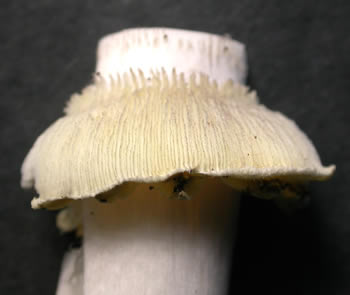
Figure 5. The striate or grooved upper side of the annulus.
Photo © Gary Emberger.
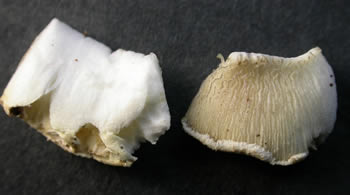
Figure 6. The lower surface of the ring to the left and the
upper surface on the right. Photo © Gary Emberger.
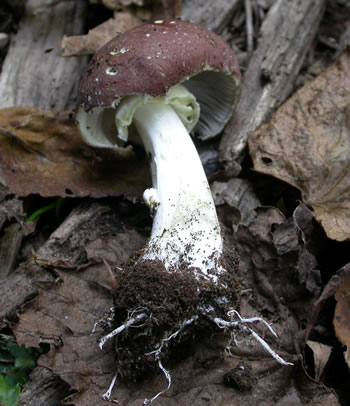
Figure 7. Note the white rhizomorphs at the base of the
stalk. Photo © Gary Emberger.
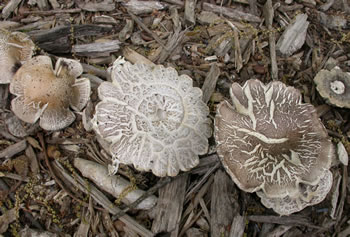
Figure 8. Time and sun take their toll on the wine-cap
stropharia as these faded and cracked specimens show.
Note the all-so-common wood chip mulch habitat.
Photo © Gary Emberger.