Ischnoderma resinosum
Scientific name: Ischnoderma resinosum (Schrad.)
P. Karst.
Derivation of name: Iskhnos means "dry, withered,
or thin" and derma means "skin." Ischnoderma means
"with withered
or wrinkled skin"; resinosum means
"resin-like" in reference to the amber-colored
resin-like liquid often exuded
from young specimens.
Synonymy: Polyporus resinosus Fr.
Common names: Resinous polypore.
Phylum: Basidiomycota
Order: Polyporales
Family: Fomitopsidaceae
Occurrence on wood substrate: Saprobic; solitary or
grouped, sometimes in overlapping clusters on decaying
deciduous wood such as stumps and logs; September
through
November.
Dimensions: Caps up to 25 cm wide and 2.5 cm thick.
Upper surface: Brownish-orange to dark brown,
becoming
blackish; velvety when young, becoming glabrous
revealing
thin, black zones of resinous crust; margin thick,
exuding amber-colored
droplets when young.
Pore surface: Whitish, bruising brown; pores 4-6 per mm.
Comments: The flesh of young specimens is soft and sappy
(juicy) at first. I. benzoinum is either a similar species
that grows on conifers or a synonym of I. resinosum.
More information at MushroomExpert.com:
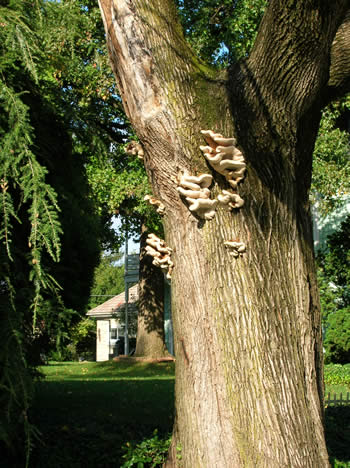
Figure 1. Ischnoderma resinosum growing on a
Norway
maple (Acer
platanoides). This picture was
taken on
October 14. See Figure 2. Photo © Gary
Emberger.
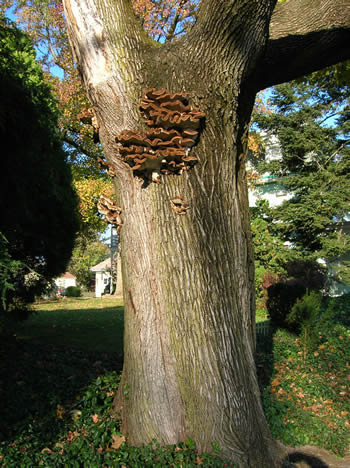
Figure 2. The same specimen of Ischnoderma resinosum
as in Figure 1 but photographed on November 7, three
weeks later. Photo © Gary Emberger.
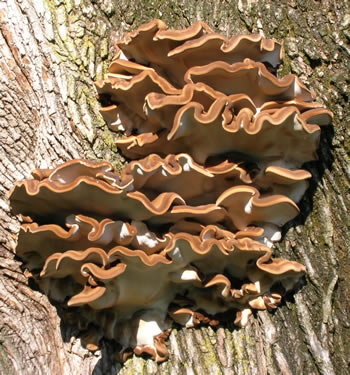
Figure 3. Close-up of the specimen in Figure 2.
Photo © Gary Emberger.
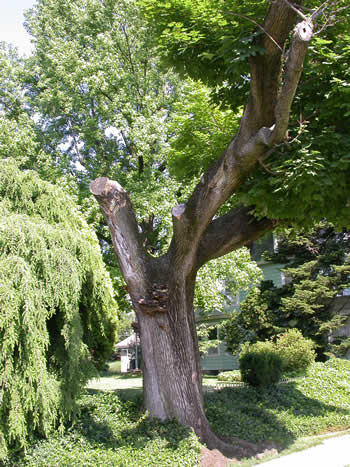
Figure 4.
Photographed in June the following year, this is
the tree suppporting the growth of Ischnoderma
resinosum in figures 1-3. It initially surprised me to find this
fungus
growing on a living tree because all the references I
consulted indicate
Ischnoderma
resinosum is a
saprotroph. The apparent contradiction was resolved by
noting that the
tree is only partly alive. Due to the
highly
compartmentalized nature of tree growth (and death),
most of this tree, including the portion where the fungus is
growing, consists of dead wood. The
fungus, then, is
growing as a saprotroph on a living tree.
Photo © Gary Emberger.
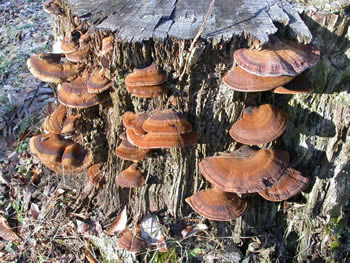
Figure 5. Specimens of this species are fairly durable.
These were found on New Year's Day in South Central
Pennsylvania.
Photo © Gary Emberger.
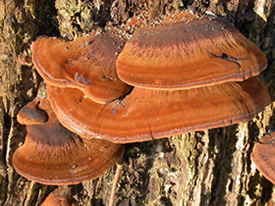
Figure 6. The surface may be concentrically
and radially furrowed and zonate.
Photo © Gary Emberger.
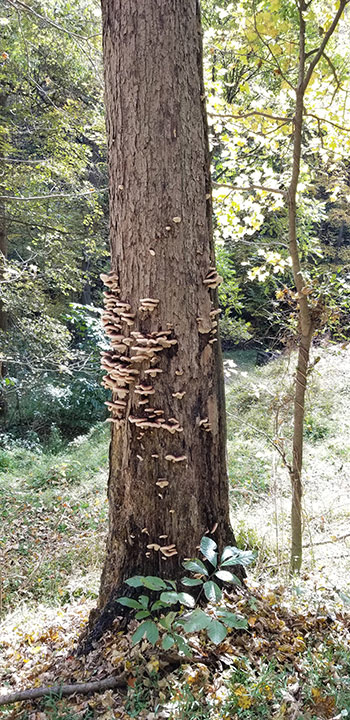
Figure 7. In contrast to the old specimens of Figures 5
and 6, these
young specimens are growing in October.
Photo © George Morrison.
GM.jpg)
Figure 8. Some of the specimens in Figure 7. The caps are
overlapping and have a
whitish
growing margin, some of which
have droplets of liquid on them. See Figures 9 and 10.
Photo © George Morrison.
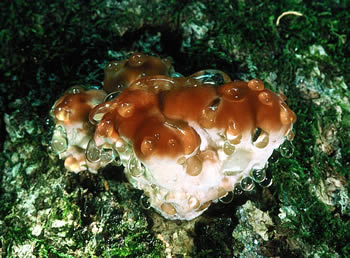
Figure 9. When very young, Ischnoderma resinosum
often
exudes droplets of moisture.
Photo © Pam Kaminski.
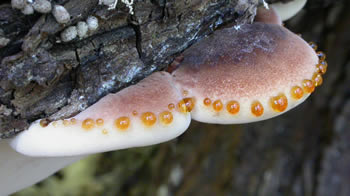
Figure 10. Amber-colored droplets on a very young
growing margin. Photo © Gary Emberger.
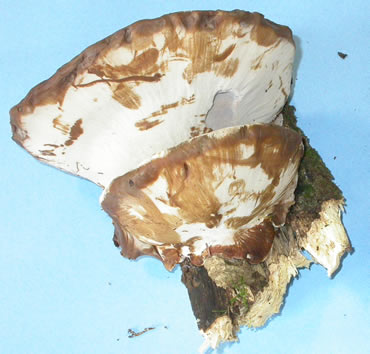
Figure 11. The brown bruising of the white pore surface is
characteristic of this species. Photo © Gary Emberger.