Hericium coralloides
Scientific name: Hericium coralloides (Scop.) Pers.
Derivation of name: Hericius means "hedgehog."
Corall- means "coral" in reference to
resemblance of this
species to marine coral.
Synonyms: Hericium ramosum (Bull.) Letellier
Common name(s): Comb tooth.
Phylum: Basidiomycota
Order: Russulales
Family: Hericiaceae
Occurrence on wood substrate: Saprobic; solitary or in
groups on dead deciduous wood; August through October.
Dimensions: Fruit body up to 35 cm wide; individual spines
averaging about 1 cm in length.
Description: This intricately branched species forms an
irregularly shaped cluster of spreading, whitish branches bearing
spines. The branches originate from a common point. The spines
hang more or less evenly in rows (like a comb) along the
branches. With age, the branches and spines turn yellowish.
Comments: Check the web sites below for a closer look at the
confusing naming situation for this species and for a key to
Hericium species and for a glimpse at the difficulties in
confidently identifying Hericium species.
More information (key) at MushroomExpert.com:
More information at MushroomExpert.com:
More information at TomVolkFungi.net:
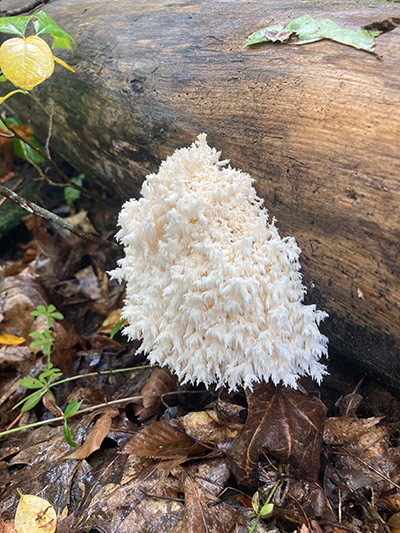
Figure 1. A beautiful specimen of Hericium coralloides.
Photo © Roseann K. Sachs.
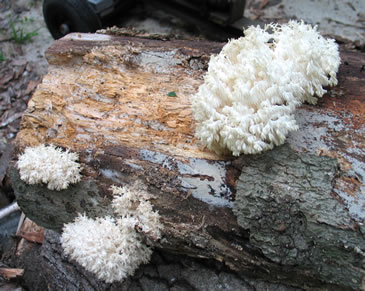
Figure 2. Several fruit bodies of Hericium coralloides
growing on a hardwood log. Photo © Melissa Emberger.
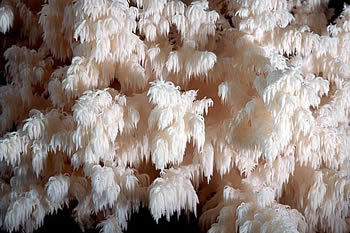
Figure 3. Hericium coralloides is typically highly
branched. Photo © Pam Kaminski.
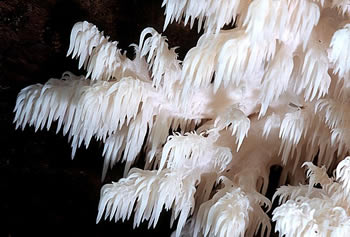
Figure 4. Note the even distribution of the spines along
the branches. Photo © Pam Kaminski.
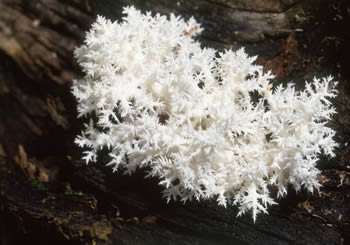
Figure 5. It isn't dificult to imagine swimming at a coral
reef and seeing something that looks like this fungus.
Photo © William Roody.
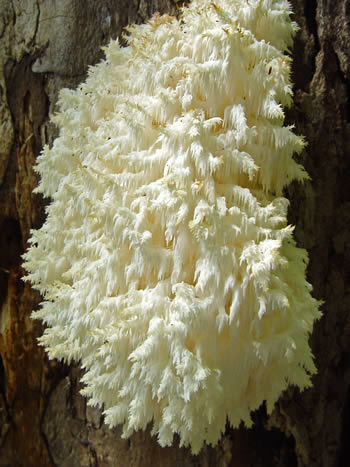
Figure 6. With age, the branches and spines turn
yellowish.
Photo © David Work.