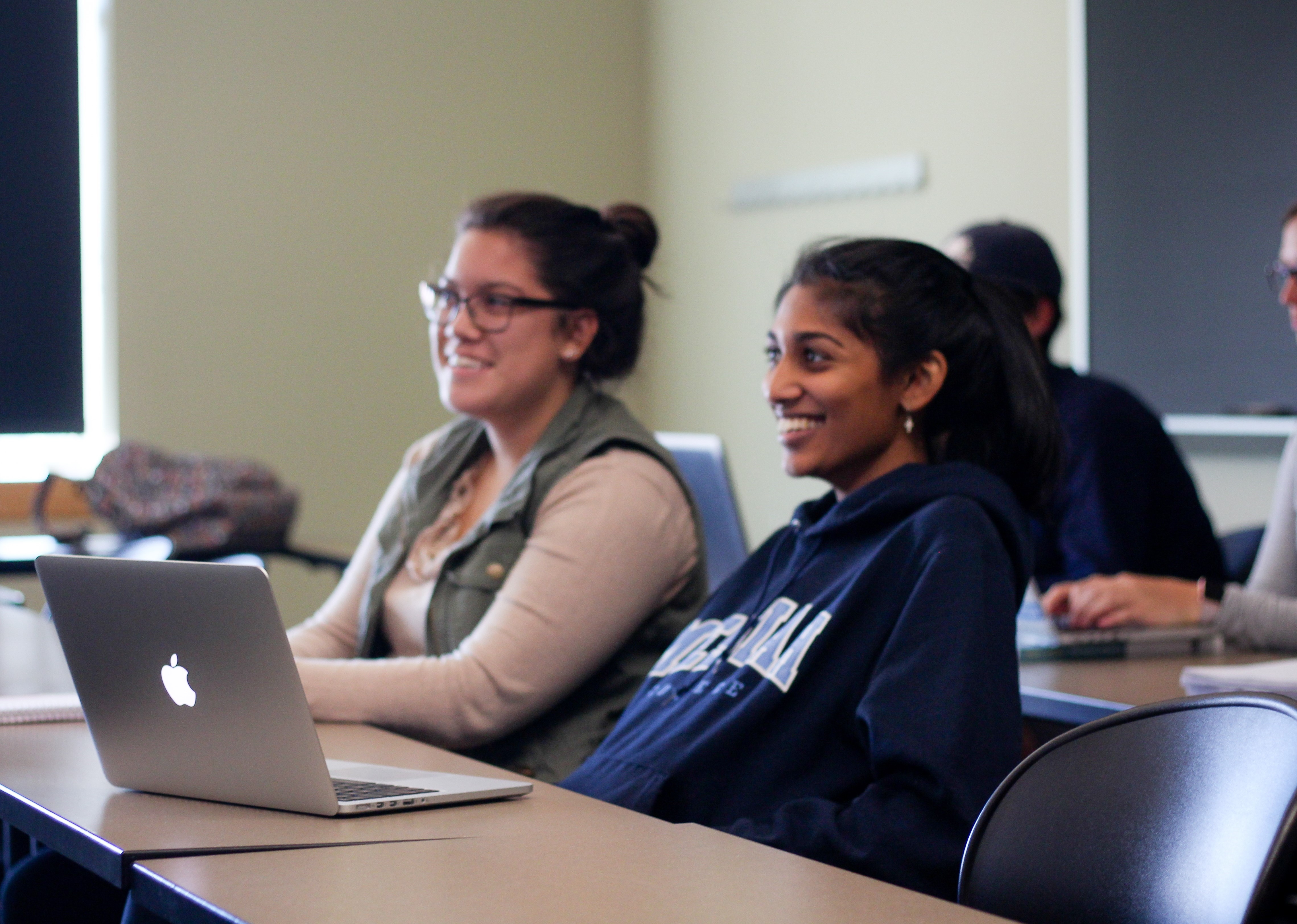
The Department of Psychology, Criminal Justice and Sociology provides a comprehensive examination of human behavior through various disciplinary lenses: from the human as an individual, to the human as a social being, to issues of criminality, deviance and social control. Coursework and experiences in the department prepare the student for multiple means of engagement for service and reconciliation in church and society. While no one lens captures completely the complexity of human behavior, each lens contributes to a deeper and more sophisticated understanding than a mere surface observation of the ‘person’ in context.
All the majors in this department help provide students with a wide range of skills to prepare them for various careers and/or graduate school. These major programs emphasize many transferrable skills, including both written and verbal communication skills, as well as focus on science through comprehending and conducting research. Among other social science majors, this department teaches the value and practice of helping others.