Bondarzewia berkeleyi
Scientific name: Bondarzewia berkeleyi (Fr.)
Bondartsev
&
Singer
Derivation of name: Bondarzewia is named for A.S.
Bondarzew; berkeleyi is named for British mycologist
M. J.
Berkeley (1803-1889).
Synonymy: Polyporus berkeleyi Fr.
Common names: Berkeley's polypore.
Phylum: Basidiomycota
Order: Russulales
Family: Bondarzewiaceae
Occurrence on wood substrate: Parasitic and saprophytic;
at the base of oaks and other living deciduous trees, around
decaying stumps or from buried roots; July through October.
Dimensions: The entire rosette of overlapping caps may be
a meter or more across.
Upper surface: Creamy white to yellowish to tan,
somewhat
zonate; dry; hairy or not.
Pore surface: Whitish, becoming dingy; pores large (0.5-2
mm), portions of the pore surface may appear maze-like.
Edibility: Edible when young, bitter with age.
Comments: Berkeley's polypore causes a butt rot of living
trees. When young, the flesh exudes a white latex. When it
first emerges from the ground it looks like a collection of
thick, irregular knobby fingers. The "fingers" expand into
overlapping shelves.
More information at MushroomExpert.com:
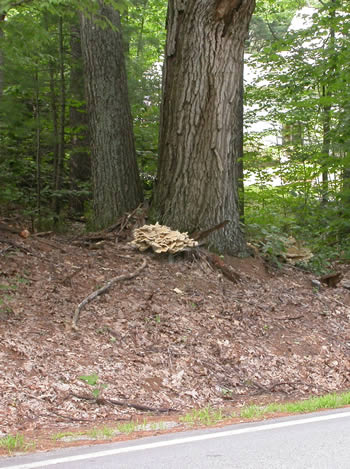
Figure 1. Large specimen of Bondarzewia berkeleyi
growing
at the base of a diseased red oak tree in New
Hampshire.
A specimen this large is hard to miss even
when passing by
in
a car. Photo © Gary Emberger.
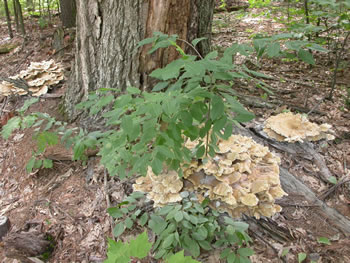
Figure 2. The same tree as in Figure 1. Berkeley's polypore
is present on both sides of the tree.
Photo © Gary Emberger.
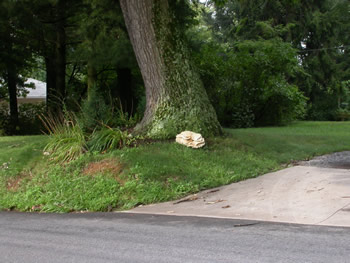
Figure 3. Another large specimen of Bondarzewia
berkeleyi growing at the base of a living
chestnut oak
(Quercus
montana) in Pennsylvania.
Photo © Gary Emberger.
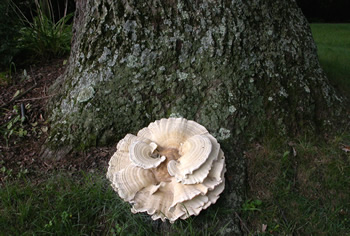
Figure 4. This specimen (pictured in Figure 3) measured
60
cm at its widest diameter. The overlapping (imbricate)
caps
form a large rosette. Photo © Gary Emberger.
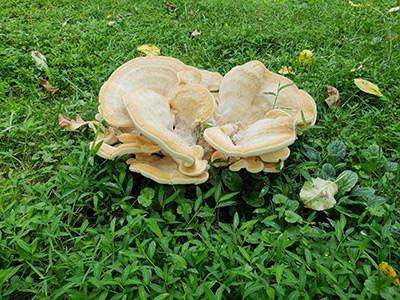
Figure 5.
As evidenced by this specimen on a lawn, Berkeley's
polypore can grow at locations quite removed from the trunk
of a tree. Large tree roots and buried stump tissue can support
the growth of the polypore for several years.
Photo © Michael Ciavola.
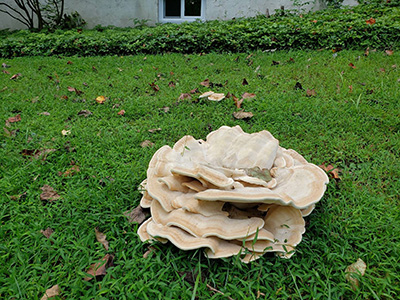
Figure 6.
The same location as in Figure 5 but a different season of
growth. Photo © Michael Ciavola.
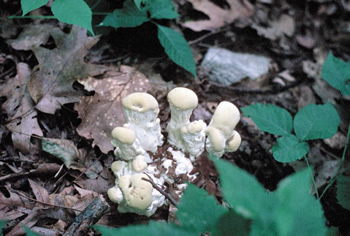
Figure 7. Although it may weigh more than 50 pounds at
maturity,
Berkeley's polypore starts out small. Gary
Lincoff describes
its first appearance as
that of a "huge hand
with chunky fingers
reaching out of the ground."
Photo © Leon Shernoff.
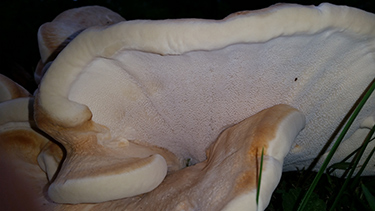
Figure 8. The developing pore surface of a young specimen.
Note the thick margins. Photo © Michael Ciavola.
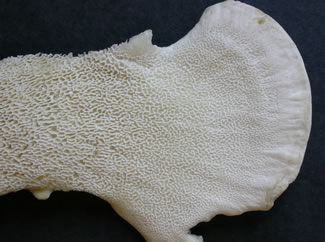
Figure 9. The large pores can be quite irregular in shape
particularly near the base of the cap.
Photo © Gary Emberger.
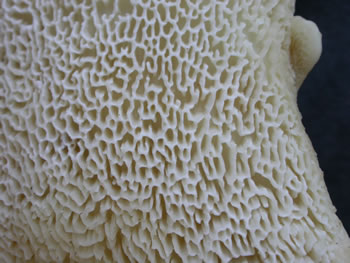
Figure 10. The pores are
sometimes
maze-like.
Photo © Gary Emberger.
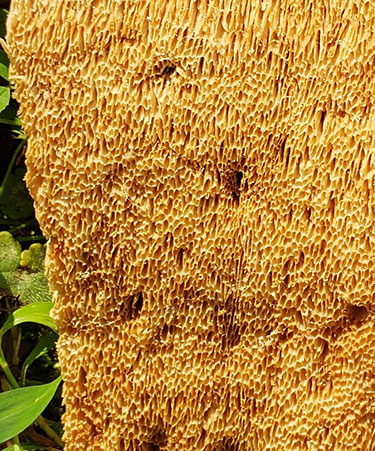
Figure 11.
The pore surface of an older, mature cap.
Photo © Michael Ciavola.
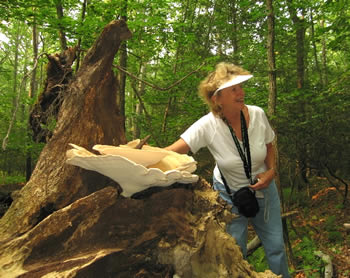
Figure 12. Doris Fleischer found this large specimen of
Bondarzewia berkeleyi during the 2005 NEMF foray at
Mont Alto, PA. Photo© Doris Fleischer.
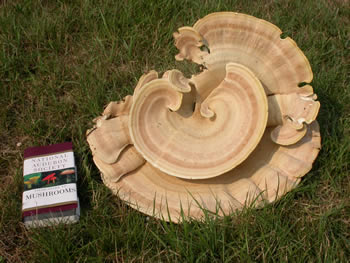
Figure 13. The specimen in Figure 12 set on a lawn next to
the Audubon Guide to Mushrooms. Note the zonate upper
surfaces of the caps. Photo © Gary Emberger.
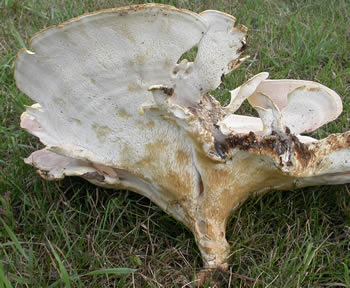
Figure 14. The underside of the specimen in Figure 13.
Bondarzewia berkeleyi forms a rooting stalk 5-10 cm
long and 3-5 cm thick.
Photo © Gary Emberger.
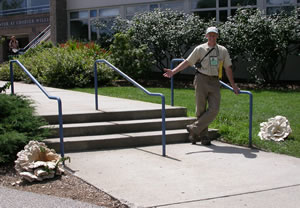
Figure 15.
These specimens of Bondarzewia
berkeleyi
were placed to greet attendees at the
2008 NEMF foray on the campus of Connecticut
College in New London, CT.
Photo © Gary Emberger.
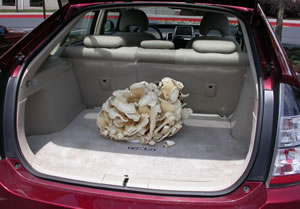
Figure 16. Linda Brindle's Prius is not powered by
Berkeley's polypore. She wanted to know what this
huge fungus was and transported it to Messiah College
to see me for an identification.
Photo © Gary Emberger.