Daedalea quercina
Scientific name: Daedalea quercina (L.) Pers.
Derivation of name: Daedalea is derived from
Daidalos, builder of the labyrinth of the Minotaur in Crete,
in reference to the labyrinthiform pores of this fungus;
quercina refers to the oak (Quercus) genus.
Synonymy: Lenzites quercina (L.) P. Karst.
Trametes quercina (L.) Pilat
Common names: Thick-maze oak polypore.
Phylum: Basidiomycota
Order: Polyporales
Family: Fomitopsidaceae
Occurrence on wood substrate: Saprobic; solitary to
several on decaying deciduous wood, particularly oak
(Quercus); year-round.
Dimensions: Caps 5-20 cm wide; up to 8 cm thick.
Upper surface: Grayish to brownish-yellow to brownish-
orange to brown to black; mostly smooth; not typically
zonate.
Pore surface: White to brownish; conspicuously
mazelike,
with lamellate portions;
pore walls thick (about
1 mm or
more); pore openings 1-4 mm
wide.
Edibility: Inedible.
Comments: Compare to Daedaleopsis confragosa
which superficially resembles it.
More information at MushroomExpert.com
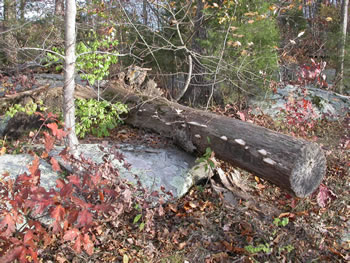
Figure 1. Daedalea quercina on an oak log.
Photo
©
Gary Emberger.
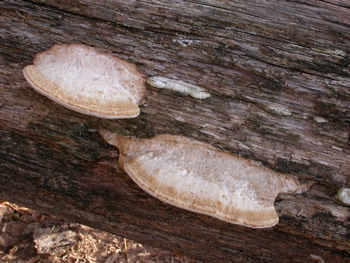
Figure 2. A closer view of two of the specimens on the
log in Figure 1. Photo ©
Gary Emberger.
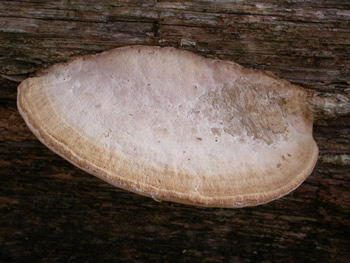
Figure 3. Note the mostly smooth cap and almost uniform
coloration. Photo © Gary Emberger.
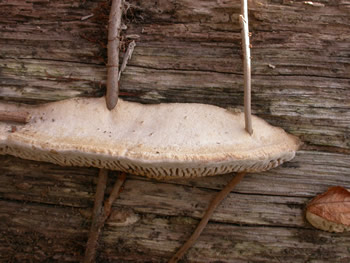
Figure 4. Daedalea quercina envelops objects it
encounters while growing. This manner of growth
contrasts with species that push objects out of the way
as they develop. Photo © Gary Emberger.
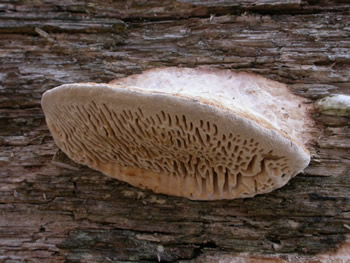
Figure 5. The plain top surface contrasts with the pore
surface. Photo © Gary Emberger.
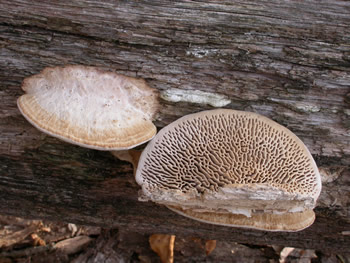
Figure 6. Top and bottom views of Daedalea quercina.
Photo © Gary Emberger.
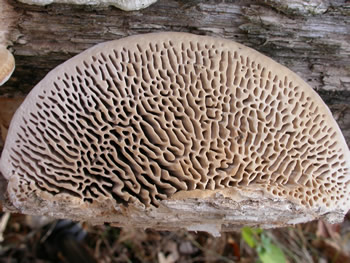
Figure 7. Daedalea quercina develops a beautiful
labyrinth-like pattern of tube openings. Photo
©
Gary
Emberger.
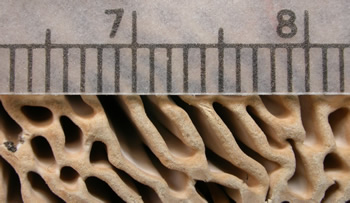
Figure 8.
A mm scale is in view. Note the thickness of the
pore
walls and the width of the pore openings. Compare
to Figure 9.
Photo © Gary
Emberger.
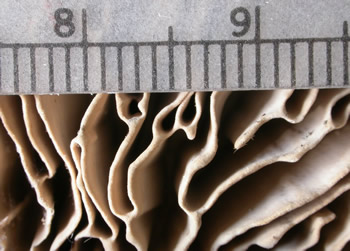
Figure 9. Compare to Figure 8. The pore walls are thinner
in this specimen and the pore openings are wider.
Photo © Gary Emberger.
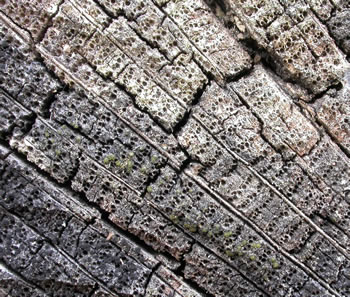
Figure 10. Daedalea quercina is aptly named because
quercina refers to oak, the favored substrate of this fungus.
This close view of the cut end of the log in Figure 1 reveals
the ring-porous structure of the wood and the presence of
thick rays. These traits are characteristic of oak (Quercus).
Photo © Gary Emberger.
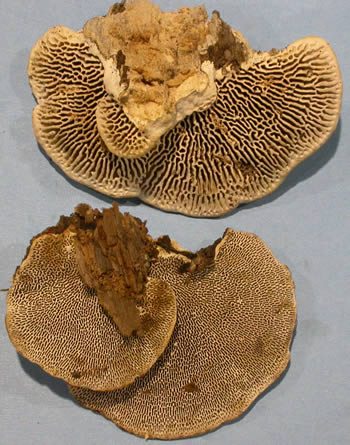
Figure 11. At the top is Daedalea quercina and at the
bottom
is Daedaleopsis confragosa. Although both have
a daedaloid pore
surface, the walls and pore openings are
much more robust in
Daedalea quercina. Photo © Gary
Emberger.