Ganoderma tsugae
Scientific name: Ganoderma tsugae Murrill
Derivation of name: Ganoderma means having a "shiny
or lustrous skin"; tsugae means hemlock (Tsuga), one of
its common hosts.
Synonymy: Polyporus tsugae (Murrill) Overh.
Common names: Hemlock varnish shelf.
Phylum: Basidiomycota
Order: Polyporales
Family: Ganodermataceae
Occurrence on wood substrate: Saprobic; solitary or in
overlapping clusters on living and dead conifer trunks and
on stumps and logs; May through November, but these
annuals
may overwinter.
Dimensions: Caps 5-30 cm; stipes (if present) 2.5-15 cm
long and 1-4 cm thick.
Upper surface: Shiny reddish to brownish-orange varnish;
white margin; concentrially furrowed; surface becomes dull
when coated by deposited spores.
Flesh of cap: Whitish; soft when young, tougher later.
Pore surface: Whitish, becoming brown in age or when
bruised; pores 4-6 per mm.
Edibility: Inedible.
Comments: Ganoderma tsugae is one of three laccate
(varnished) Ganoderma species in the Northeast. The
other two are G. curtisii and G. sessile.
More information at MushroomExpert.com:
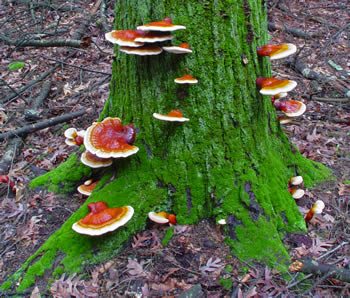
Figure 1. A beautiful fruiting of Ganoderma tsugae on a
stump.
Photo © David Work.
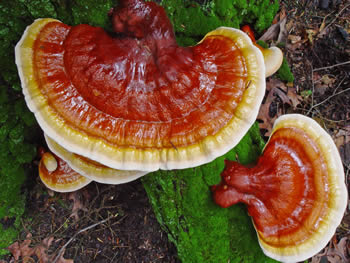
Figure 2. Note the shiny, varnished surfaces of these young
specimens and the
white margins. Photo © David Work
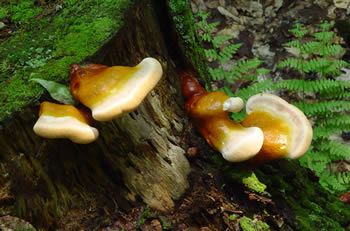
Figure 3. Very young specimens of Ganoderma tsugae.
Photo © David Work.
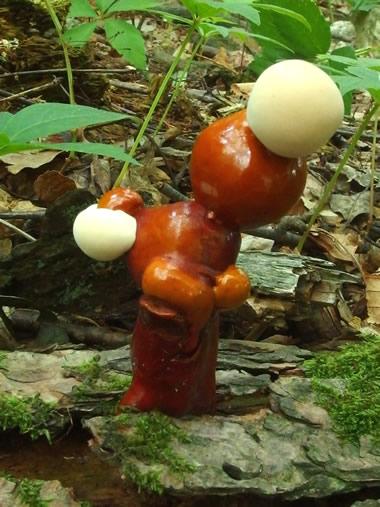
Figure 4.
This 2015 NAMA Judges Option category 1st place
award-winning photograph by Linda Sears titled "Bowing
Geisha Ganoderma"
illustrates how very different in appearence
young
specimens of Ganoderma tsugae may be compared to
their mature shape. Compare this photograph, taken June 11
to the same specimen photographed on June 24 in Figure 5.
Photo
© Linda Sears.
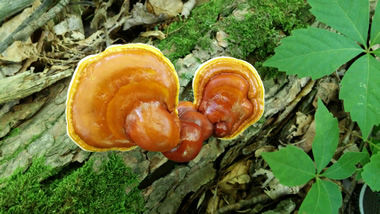
Figure 5. This is the same specimen as in Figure 4 but now two
weeks older. Viewed from above, the globose whitish areas of
new growth evident in Figure 4 are now maturing into shelf-like
portions typical of the species. Photo
© Linda Sears.
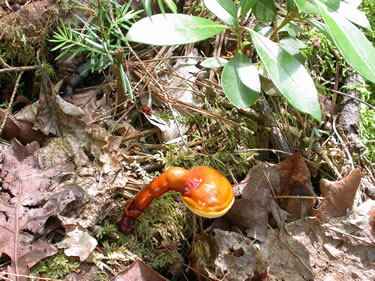
Figure 6. A very long-stiped young specimen similar in
stature to the specimen in Figure 5.
Photo © Gary Emberger.
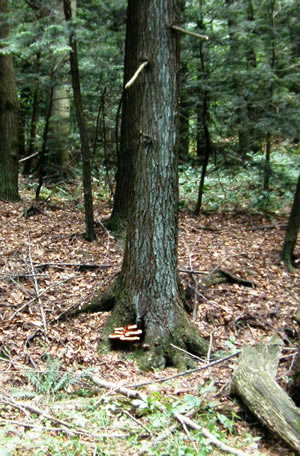
Figure 7. Note the clump of hemlock varnish shelf
at the base of this hemlock tree. Photo © Gary Emberger.
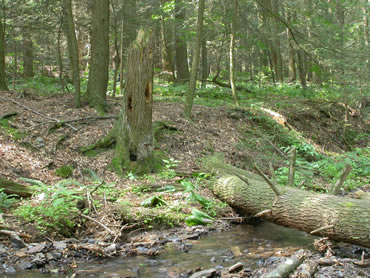
Figure 8. The same tree as in Figure 7 only about 15 years
later. Whether as parasites
or saprotrophs, fungi are integrally
involved with the recycling
of wood. Photo © Gary Emberger.
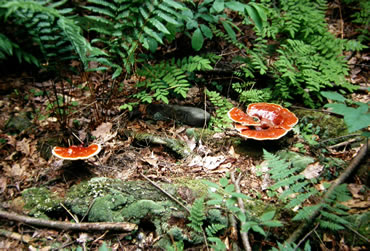
Figure 9. Although Ganoderma tsugae may appear terrestrial,
it is attached to wood - in this case, buried wood.
Photo © Gary Emberger.
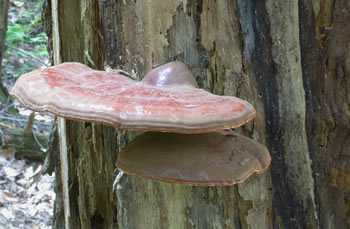
Figure 10. Millions of spores are released from the undersides
of bracket fungi
such as Ganoderma tsugae. Air currents
near the bracket cause some of these spores to land on the
top surface, dulling the shiny varnish layer.
Photo © Gary Emberger.
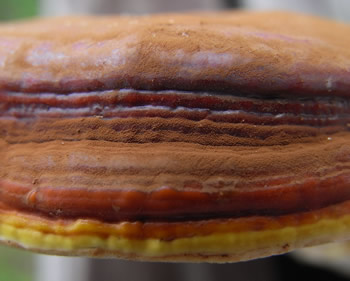
Figure 11. Powdery rusty-brown spore deposits visible on
the
edge of this
specimen. Photo © Dorothy Smullen.
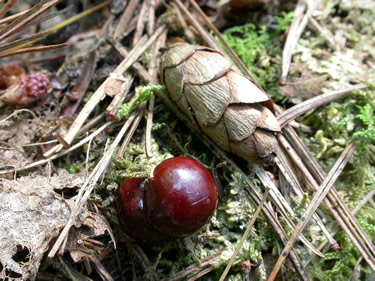
Figure 12. Hemlock trees were quite common in the forest
where this specimen was found. I suspect this tiny varnished
knob is a very young specimen of Ganoderma
tsugae. For
a size comparison, note the hemlock tree cone
next to it.
Hemlock produces the smallest cones of our
native conifer
species, up to about an inch long.
Photo © Gary Emberger.
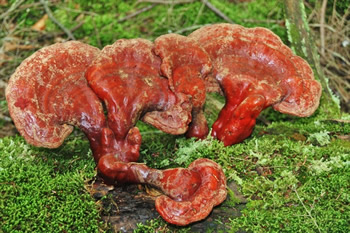
Figure 13. Photogenic specimens of hemlock varnish shelf.
Photo © Glenn Brynes.