Laetiporus cincinnatus
Scientific name: Laetiporus cincinnatus (Morgan)
Burdsall, Banik & T. J. Volk
Derivation of name: Laet- means "pleasing" or "bright"
or "abundant" and
por- means "pores." Cincinnatus
refers to Cincinnati,
Ohio,
the city near where the type
specimen was
collected.
Synonymy: Polyporus cincinnatus Morgan; Polyporus
sulphureus var. semialbinus Peck; Polyporus sulphureus
var. overholtsii H.R. Rosen
Common names:
Phylum: Basidiomycota
Order: Polyporales
Family: Fomitopsidaceae
Occurrence on wood substrate: Parasitic; rosettes form
on the ground (attached to roots)
at the base of
hardwood
trees, particularly oak (Quercus);
July
through October.
Dimensions: Individual caps 3-25 cm wide, clustered to
form rosettes up to 45 (60) cm in diameter.
Upper surface: Pinkish-orange to pinkish-brown; radially
wrinkled; velvety to densely matted; dry.
Pore surface: Whitish.
Edibility: Edible, considered choice, but up to 20% of
people eating this species suffer mild to moderate
gastrointestinal upset and/or other symptoms.
Comments: Unlike Laetiporus sulphureus, this species
grows on the ground in rosette-like clusters and has white
pores. Utilizing molecular techniques and mating
incompatibility studies, Burdsall and Banik (2001) recognize
L. cincinnatus as one of six species of Laetiporus in North
America, three of which occur in
the Northeast.
More information at MushroomExpert.com:
More information at TomVolkFungi.net:
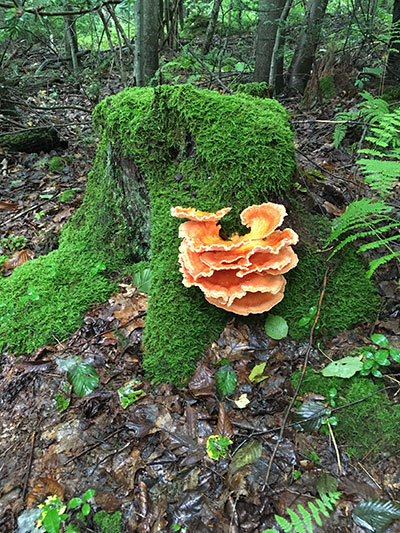
Figure 1.
Nestled between the flaring roots, the moss-covered
stump presents a beautiful backdrop for this specimen of
Laetiporus cincinnatus. Photo © Gary Emberger.
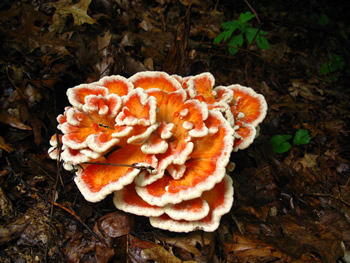
Figure 2. The white margin is a good clue that this fungus
is not Laetiporus sulphureus. Photo © Jim Gallagher.
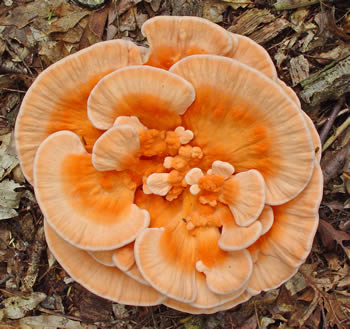
Figure 3. The typical terrestrial, rosette form of Laetiporus
cincinnatus. Photo © David Work.
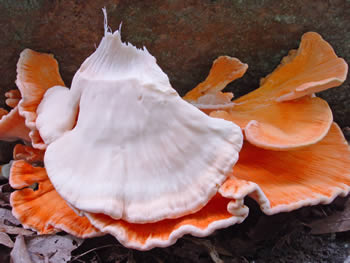
Figure 4. White pores confirm the identity as Laetiporus
cincinnatus. Photo © David
Work.
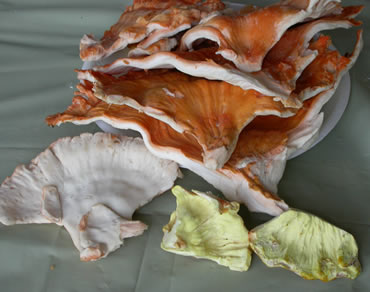
Figure 5. Specimens of both Laetiporus cincinnatus and
Laetiporus sulphureus collected for a mycophagy session
during an Eastern Penn Mushroomers foray. Note the yellow
pore surface of Laetiporus sulphureus. Photo © Gary
Emberger.
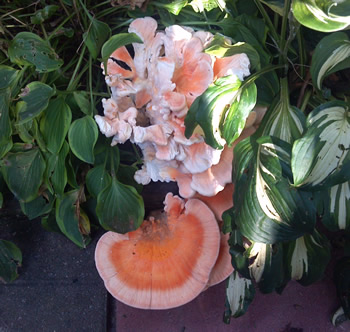
Figure 6. This specimen
of Laetiporus cincinnatus was
found
in a hosta bed! There was a tree not too far away.
Photo © George Weigel.