Lycogala epidendrum
Scientific name: Lycogala epidendrum (L.) Fr.
Derivation of name: epidendrum means "on wood" in
reference to its typical habitat.
Synonyms: Lycoperdon epidendrum L.
Common name(s): Wolf's milk slime; Toothpaste slime.
Phylum: Myxomycota
Order: Liceales
Family: Reticulariaceae
Occurrence on wood substrate: Saprobic; scattered to
clustered on well-rotted wood; June through November.
Dimensions: This slime mold forms fruit bodies 3-15 mm
wide.
Description: The globose to subglobose or compressed
fruitbodies of Lycogala epidendrum are at first pinkish-gray
to bright cinnabar-red when young. At this stage the flesh is
a
pinkish, paste-like substance (like toothpaste?). With
maturity
the fruit body becomes yellow-brown or olive-
brown and the
spore mass becomes powdery and pinkish-
gray to ochre in
mass.
Edibility: Inedible.
Comments: Although many slime mold species fruit on
wood,
slime molds do not form a penetrating and absorptive
mass of
hyphae in
the wood substrate. Rather, slime molds
form
structures called
plasmodia which are naked
(i.e., without cell
walls) masses of
protoplasm which can
move and engulf
particles of food in an
amoeboid manner.
Slime mold
plasmodia creep about over the
surfaces of
materials, engulfing
bacteria, spores of fungi and
plants,
protozoa, and particles of
nonliving organic matter. At
some
point, plasmodia convert
into spore-bearing
structures. In
Lycogala, the plasmodium
converts into a
globose to
hemispherical mass of spores
enclosed by an outer wall
called a peridium. This structure is
called an aethalium
(plural: aethalia).
More information at MidwestNaturalist.com
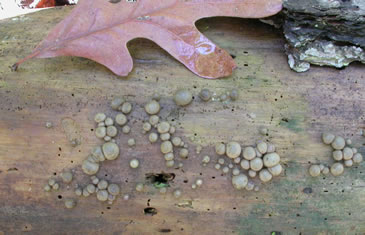
Figure 1. This log supports a typical fruiting of Lycogala
epidendrum. The globose to
hemispherical
masses
of
various sizes
are
aethalia which developed from a
plasmodium
or
plasmodia. Photo © Gary Emberger.
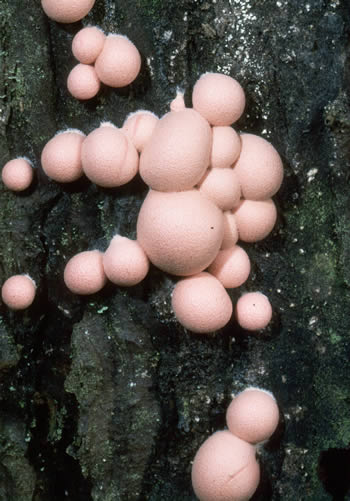
Figure 2. Pinkish-gray younger specimens. The finely
textured surface is typical of Lycogala
epidendrum.
Photo © William Roody.
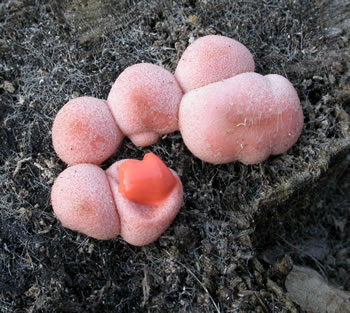
Figure 3. A pinkish fluid oozes from a broken peridium.
This fluid becomes progressively more pastelike as it
matures into a dry mass of spores.
Photo © Gary Emberger.
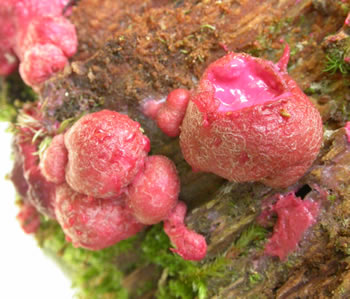
Figure 4. Specimens with particularly intense pinkish-red
coloration. Lycogala epidendrum is not commonly
observed looking like this, leading to some uncertainty
about the identity of these specimens. However, the
plasmodium of Lycogala epidendrum is reported to be
reddish or coral red in color.These aethalia are probably
newly formed from the reddish plasmodia.
Photo © Gary Emberger.
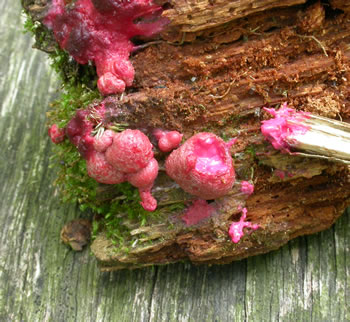
Figure 5. The wet, sticky nature of the flesh inside is
revealed as
it clings to the tip of the small stick used to
break open the peridium. Photo © Gary Emberger.
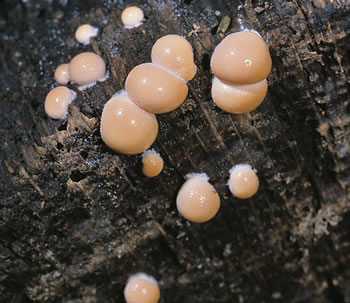
Figure 6. Maturing specimens of Lycogala epidendrum.
Photo © Fred Habegger.
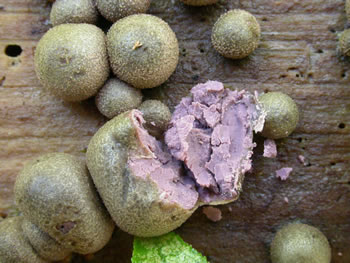
Figure 7. Maturing specimen with a violet colored
spore mass. Photo © Gary Emberger.
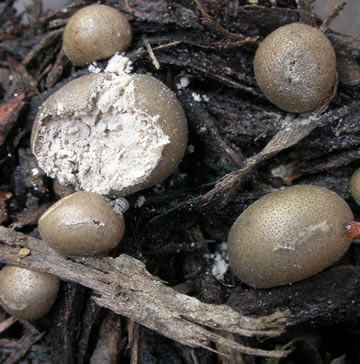
Figure 8. At maturity, the coloration of the outside and
inside
is quite different. In addition, the spore mass is dry
and
powdery. Photo © Gary Emberger.
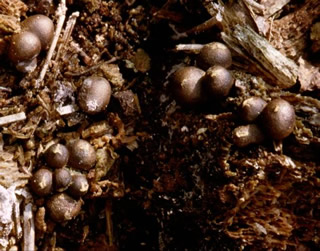
Figure 9. Steve Nelsen provided this photograph of
Lycogala flavofuscum which resembles L. epidendrum
but which is larger (2 cm or more in diameter), has a
thicker, nearly smooth peridium, occurs on living as
well as dead wood, and is not nearly as common.
Photo © Steve Nelsen.