
![]() |
|
MC Square | Search | ||||
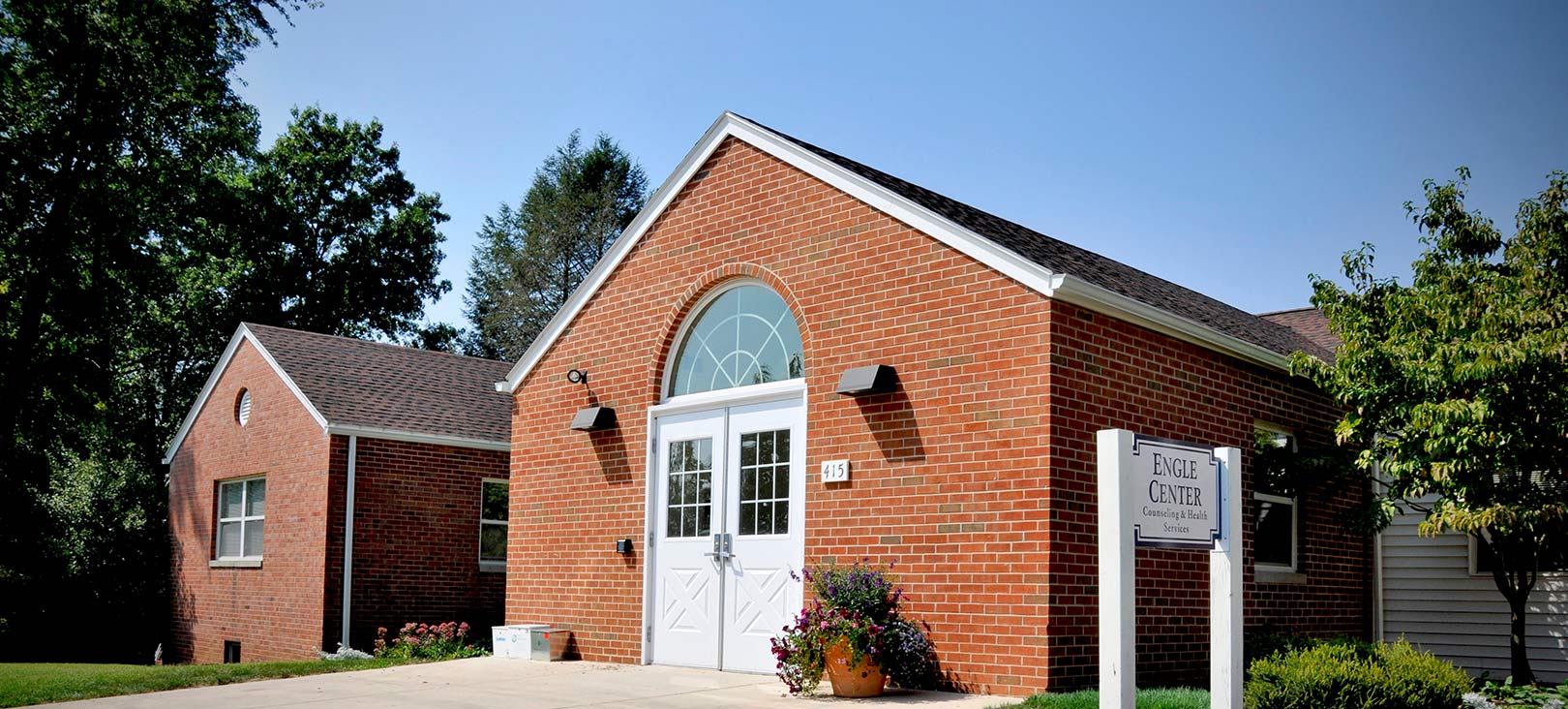
The Engle Center
Health Services
Counseling Services
The Engle Center for Counseling and Health Services 1 College Ave., Box 3028 Grantham, PA 17027 (717) 691-6035 (717) 796-5357
|
Health Services
Self Care Constipation Description Constipation, a common and typically minor disturbance of the digestive tract, occurs in the large intestine (colon) as food is being digested. Food reaches the colon after the major nutrients (protein, vitamins, minerals, etc.) have already been absorbed, leaving the waste materials in the bowels. The colon absorbs any leftover water from the waste, then pushes it towards the rectum by muscular contraction (peristaltic waves), in preparation for elimination. If the contractions become less frequent, the rate of waste moving through the colon will slow down. This results in an excess amount of water absorbed from the waste, making it dry and hard. Symptoms Constipation is easily detectable. The stool is usually hard, small, and dry and passage can be painful with cramping and/or straining. Concurrently, bowel movements occur with less frequency than the individual's normal pattern of elimination. (Bowel movements differ according to each person; they do not necessarily occur daily. Expectations of daily elimination may lead people to unnecessary laxative use.) Causes The peristaltic contractions in the colon can be slowed by various factors such as stress, sitting for long periods of time, illness, travel, pregnancy, low fluid intake, certain medications, and a low fiber diet. Someone bedridden or unable to engage in daily exercise often develops constipation. Treatment Corrective measures, other than laxative medications, can be taken to alleviate constipation. A major factor in the prevention of this ailment is a well-balanced diet containing adequate amounts of fluid and fiber. Fiber provides bulk that is essential in forming waste products. It contains cellulose, a material that cannot be digested, and is therefore a mechanical stimulant aiding in elimination. Fiber also absorbs water, acting as a natural stool softener. If fiber is not present to push the waste through the colon, peristaltic contractions may become slow and weak. Certain foods, such as prunes, raisins, and figs, are natural laxatives which will increase the moisture content of the stool, thus making passage easier. Consuming over a quart of liquids daily, especially fruit and vegetable juices and water, will aid in easier bowel elimination. Regular exercise will also aid in normal digestion due to the physical movement. Moderate exercise speeds the passage of food through the stomach. It also relaxes the mind which, in turn, relaxes the intestinal tract. The intestinal tract works best when it is relaxed. Lastly, and equally as important, a consistent pattern of food intake and elimination will aid in elimination. To establish such patterns, try to consume meals set times in an unhurried manner. Also try to eliminate your bowels regularly, in a relaxed manner. Allow enough time to prevent rushing or straining; these can lead to irritation and hemorrhoids. Also be cautious of using laxatives. While occasional use can aid in elimination, misuse can lead to dependence which will prevent the establishment of normal bowel habits. More serious complications from laxative abuse are gastro-intestinal disturbances, a spastic colon, dehydration, loss of nutrients (vitamins, body salts), and generally abnormal elimination patterns. Unusual symptoms such as severe pain, cramping or bloody stools should be brought to the attention of a health practitioner. More Information/Questions Messiah College students may call Student Health Service at (717) 691-6035 for more information. |