
![]() |
|
MC Square | Search | ||||
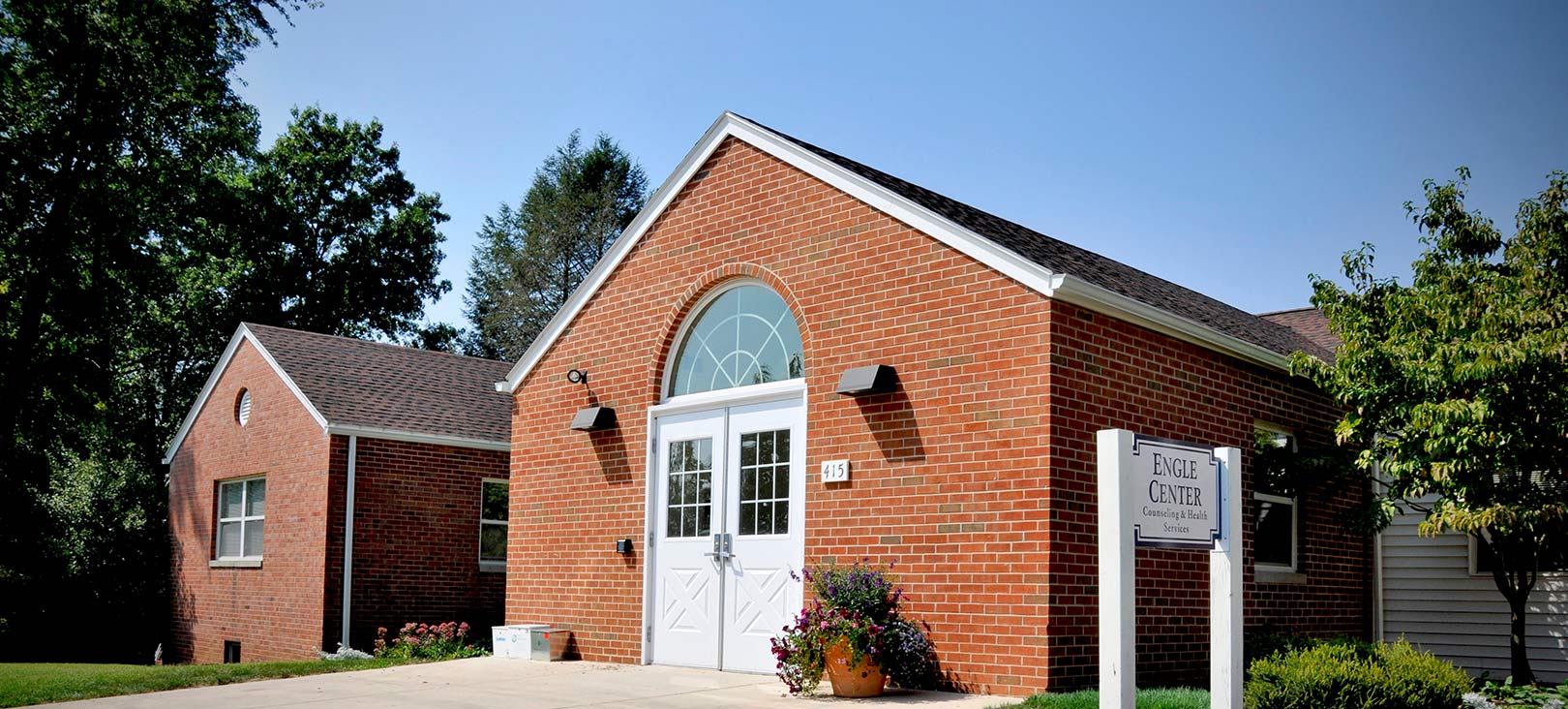
The Engle Center
Health Services
Counseling Services
The Engle Center for Counseling and Health Services 1 College Ave., Box 3028 Grantham, PA 17027 (717) 691-6035 (717) 796-5357
|
Health Services
Self Care Hemorrhoids Description Hemorrhoids are dilated or bulging veins in the rectum and/or anus caused by increased pressure in the rectal veins. Factors contributing to this increased pressure include normal upright posture, straining during bowel movements, prolonged sitting, constipation, diarrhea, pregnancy, trauma, and obesity. Internal hemorrhoids form inside the rectal canal and may or may not protrude through the anus. External hemorrhoids form in the mucus membrane lining just beyond the rectal canal at the anus. Symptoms The most common symptoms of hemorrhoids are pain with bowel movements, incomplete bowel movements, rectal itching, a soft lump felt at the anal opening, or a small amount of blood on the stool or toilet paper after wiping. Occasionally, hemorrhoids are completely without discomfort and are found during a routine examination by a clinician. Occasionally, hemorrhoids may become thrombosed (contain clotted blood) causing increased pain, difficulty sitting and may necessitate opening the hemorrhoid and removing the clot. Bleeding from the rectum should be reported to your clinician at all times. Most often, it is a sign of hemorrhoids and/or cracks in the anal mucosa called a "fissure." There are, however, several more serious causes of rectal bleeding including inflammation of the intestines, rectal polyps, and cancer. Rectal or large intestine cancer is most common in the elderly, but 1% of the cases occur in individuals under the age of 30. Diagnosis The diagnosis of hemorrhoids requires the physical examination of the anus and rectum. External hemorrhoids can be felt by inserting a gloved finger into the rectal canal. Internal hemorrhoids and anal fissures can be seen with the aid of a clear small plastic tube called an anoscope. Although this exam may be slightly uncomfortable, it is not painful. A simple lab test done in the office will determine whether the rectum contains blood. Treatment
For more information or to schedule an appointment, Messiah students may call the Health Center at 691-6035. |