
![]() |
|
MC Square | Search | ||||
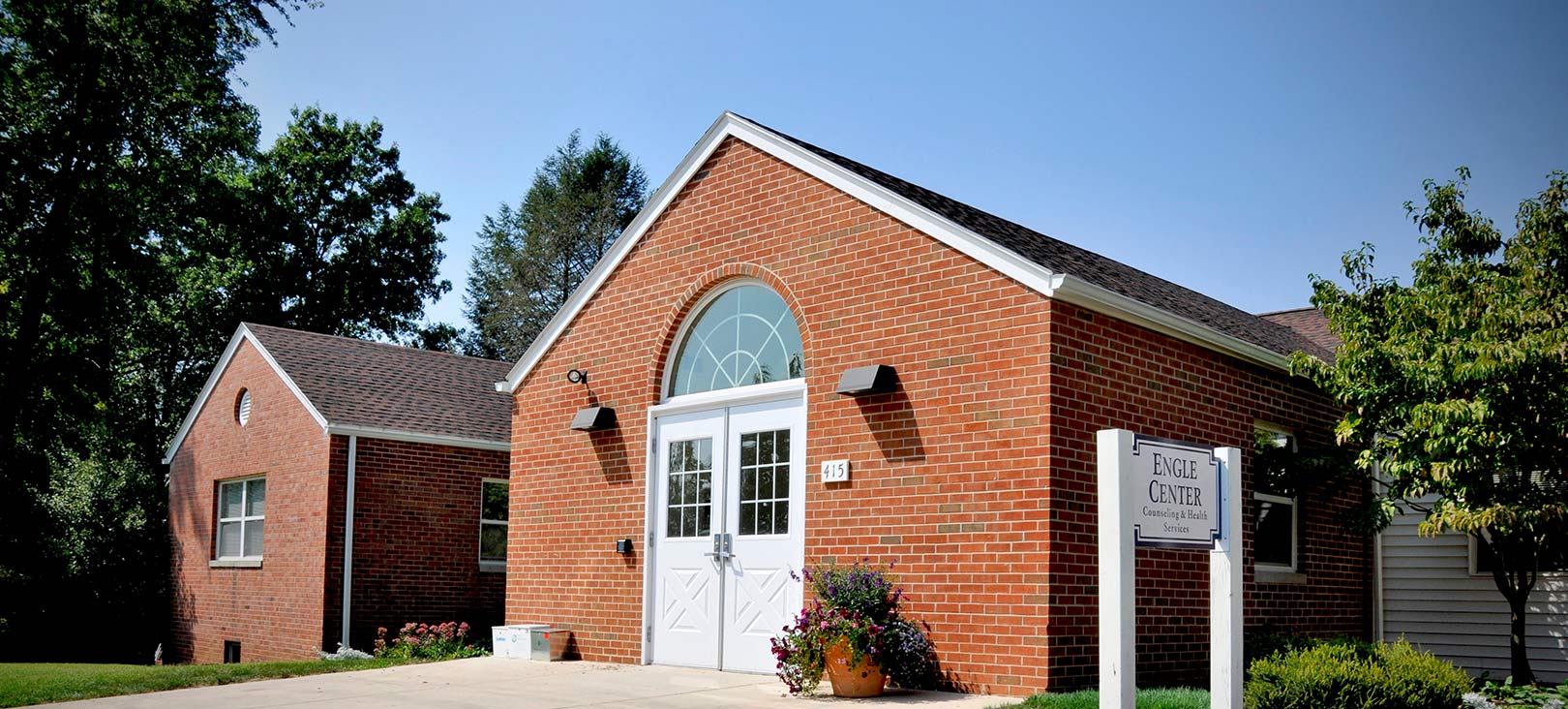
The Engle Center
Health Services
Counseling Services
The Engle Center for Counseling and Health Services 1 College Ave., Box 3028 Grantham, PA 17027 (717) 691-6035 (717) 796-5357
|
Health Services
Self Care Musculoskeletal sprains and strains Description Bones are connected together by fibrous tissues called ligaments. Ligaments give joints stability and prevent them from moving abnormally. A severe injury to a joint, more than the ligament can withstand, is a tear of the ligaments called a sprain. Muscles are attached to each other and to bones by fibrous cords called tendons. Overuse or injury of a muscle or a tendon is called a strain. Symptoms The symptoms of a sprain or strain are pain, swelling and/or loss of normal function of a joint, muscle, tendon, or ligament. The severity of the symptoms depends on the degree of injury. More severe forces result in more severe types of injuries and longer times to recover. Ligaments and tendons can be stretched, torn, or in some cases, may be injured in association with a fracture. Common sprains and strains may be due to sudden movement (e.g. a fall, a twist, or sudden vigorous exercise) for which the body has not been prepared. Self Care/Self Treatment Self-treatment can be started early, before seeking medical care, and can hasten your recovery. Initial treatment of a musculoskeletal injury is summarized by "R.I.C.E.": Rest, Ice, Compression, and Elevation. That is, rest the body part; do not use or walk on a body part that hurts. You can cause further injury. Apply ice or cold compress to the area for 10-15 minutes at a time, 2-5 times a day. Compress these swollen parts with an elastic bandage (ACE), and elevate the injured area. These measures help reduce swelling, pain, and further injury. Discolored areas or bruises may be the result of injured blood vessels. Injuries with persistent or severe pain, numbness, inability to walk and/or swelling should be evaluated by a clinician. Diagnosis may require a X-ray to make sure there is no fracture or broken bone. Even without evidence of a fracture, some joints are casted or put into a brace for short periods of time to promote speedy healing. An anti-inflammatory medication may be prescribed to reduce pain and swelling. Aspirin and some other nonsteroidal anti-inflammatory drugs, such as ibuprofen (ADVIL or NUPRIN) may help relieve pain and reduce inflammation. Tylenol is not effective in reducing inflammation, although it can help relieve headaches and reduce fever. Rehabilitation Your injury may heal on its own or may greatly benefit from specific exercises to restore the range of motion and proper functioning to the body part. Ask your clinician for "Do's" and "Don'ts" about proper activity. You may be referred to a physical therapist. Prevention To help prevent injuries to joints and muscles, stretch for 5-10 minutes before pursuing your regular exercise intensity. Cool down by gradually slowing down the pace of your activity, and stretch again to help prevent muscle injury and cramping. When stretching, emphasize the specific muscles and joints used in your activity. Begin your exercise program slowly and increase the duration and frequency of your activity gradually. Use the proper equipment for your sport; supportive footwear appropriate for the activity is especially important. In all cases, adequate instruction and preconditioning for a sport can enhance enjoyment, contribute to performance, and help to prevent injury. More Information/Questions For more information, contact the Health Center at 691-6035. |