Welcome to Student Success and Engagement!
 Messiah University stands as a beacon of academic excellence, fostering an environment that values intellectual curiosity, critical thinking, and a commitment to lifelong learning. Our institution is not merely a place of education; it is a place where friendships are formed, passions are discovered, and dreams are realized.
We believe that your time at Messiah University will be transformative. Our dedicated faculty members are eager to guide you on your educational journey, encouraging you to pursue your passions, stretch your boundaries, and embrace new challenges. Our robust curriculum, complemented by experiential learning opportunities and a rich array of co-curricular activities, will equip you with the knowledge, skills, and experiences necessary to thrive in an ever-changing world.
But beyond academics, we are committed to your holistic development. Our comprehensive support services, ranging from academic advising to career counseling, are designed to assist you in navigating any obstacles you may encounter along the way. We recognize that success encompasses not only your academic achievements but also your personal growth, well-being, and sense of belonging. At Messiah University, we strive to create an inclusive and supportive community where all students can flourish.
I look forward to witnessing your growth, celebrating your achievements, and contributing to your success.
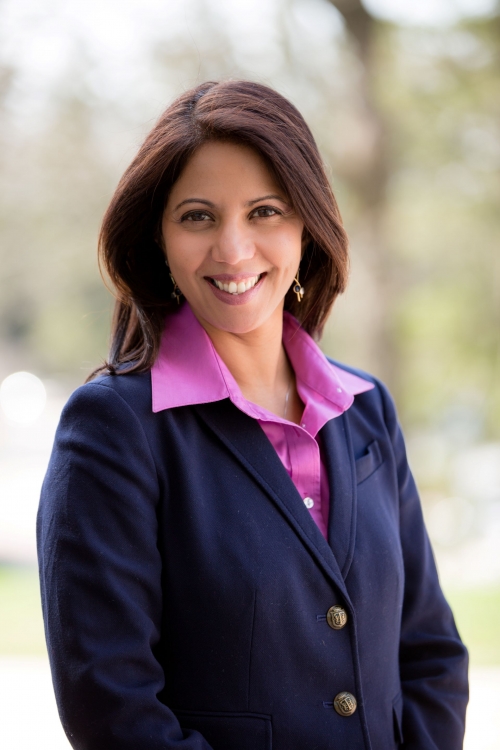
Dr. Marcelle Giovannetti
Vice Provost of Student Success and Engagement
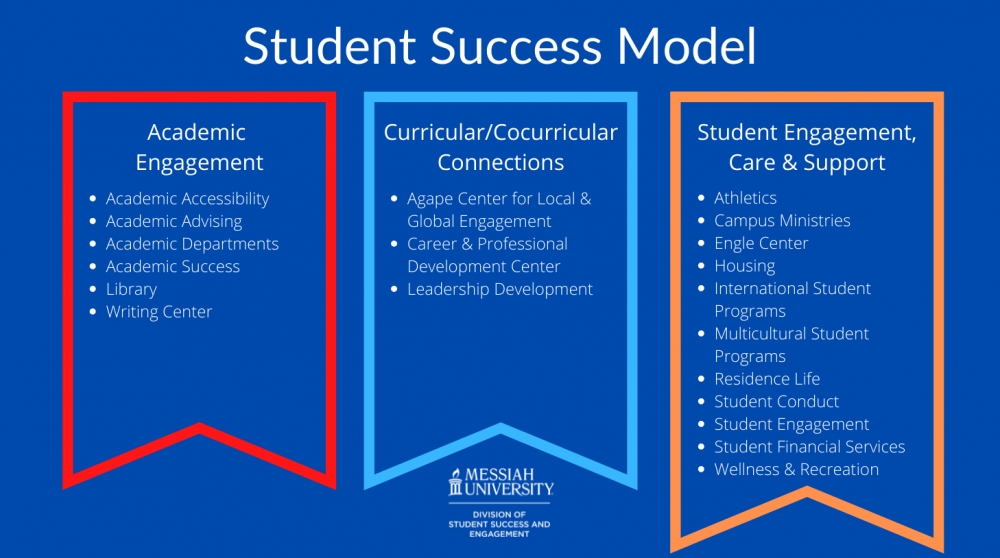
Division of Student Success and Engagement Purpose Statement
The Division of SSE nurtures holistic development by helping students make meaningful connections through educational experiences, intentional Christian community, mentoring, and high-quality services that prepare them for Christ-like lives marked by compassion and resilience demonstrated through the SSE outcomes.
Reconciliation Website: messiah.edu/reconciliation