Skip to content
Messiah University
Messiah University

A Multicultural Century of Faith in Action

A Multicultural Century of Faith in Action

For more than a century, Messiah University has sought to live out a Christ-centered vision of Biblical reconciliation, hospitality and inclusive excellence. Explore these stories of how the Messiah community has woven this reconciling work and commitment into action since its founding in 1909.

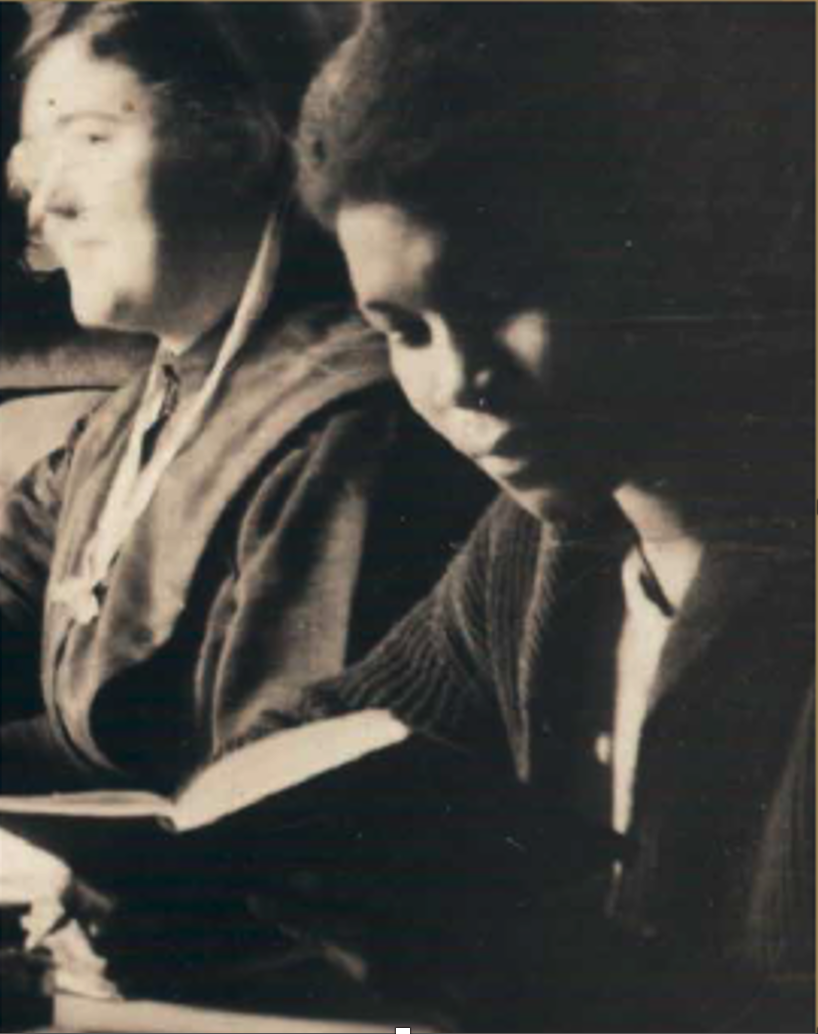
Rachel Flowers ’18

Rachel relocated from Florida to Boiling Springs, Pa., with her father, Harry F. Flowers, and her three siblings in the early 20th century. She enrolled at Messiah Academy in 1916, the first African- American to attend Messiah. Her brother, Vincent, would also attend seven years later. She went on to graduate in 1918. In the 1950s, Rachel likely held a civil service position, based on a letter of inquiry received by Messiah from the U.S. Civil Service Commission. Although there is much unknown about Rachel, our hope is that her presence will be remembered and that in the future her full story may be told.

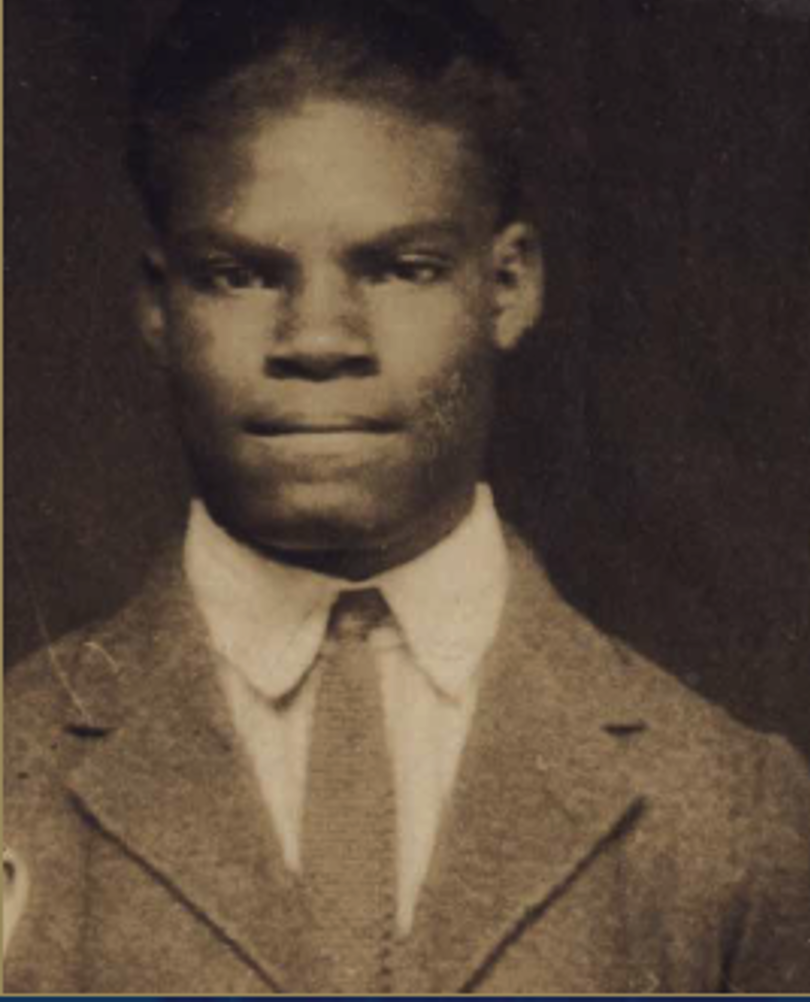
Vincent Flowers ’27

Having seen his older sister Rachel graduate from Messiah five years prior, Vincent Flowers enrolled at Messiah Bible College in 1923 and graduated in 1927 with the ambition to become a pianist. While pursuing his studies at Messiah, Vincent fostered his musical talents by participating in a men’s ensemble. He was described during his senior year as being “one of those happy persons who never worries over anything.” During his sophomore year, the college year book, “The Clarion,” included this amusing anecdote: “Vincent Flowers was always a lover of nature. But after a very sad experience some years ago, he holds a deeper respect than ever for trees covered with poison ivy vines.”

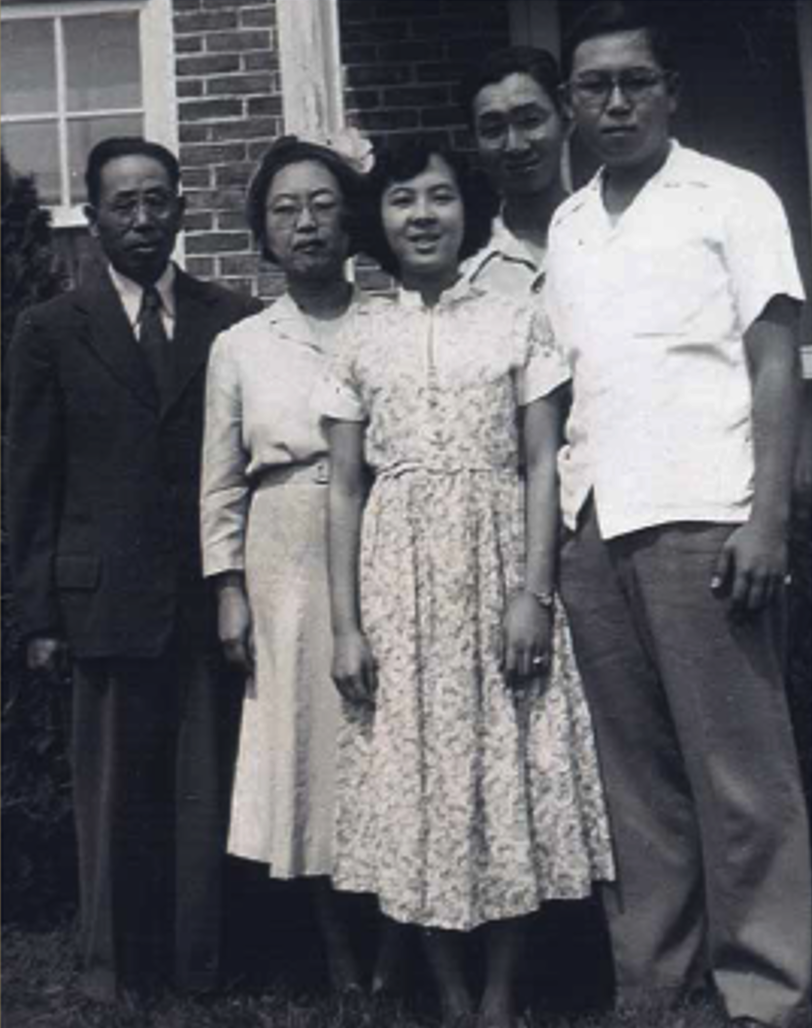
The Sakimura Family

After losing their home and flower shop in California during the second World War, the Sakimura family was invited to Messiah College by President C.N. Hostetter, who hired Harvey as the caretaker of the lawns. While Harvey was on staff at Messiah, his children, Clarence, Ivan and Alice, pursued studies at the College. Clarence, who contributed to a variety of college publications and organizations, was described as being a “dependable and conscientious” student. He attended Messiah between 1950 and 1951 and then joined the faculty in 1955 to teach Greek. Ivan, who was, among his other responsibilities, class vice-president, was known for his “outstanding intellectual abilities” and his interest in joining the medical field. Alice, a member of the class of 1955, held leadership positions during each of her four years at Messiah and was known for her “magnetic personality.” Members of the Sakimura family continued their legacy by later establishing a scholarship in memory of their parents and Ivan with reparations they received from the U.S. Government for being held in internment camps. Outside of the Climenhaga Building, a Japanese cherry blossom tree can be found that stands in memory of Harvey Sakimura.

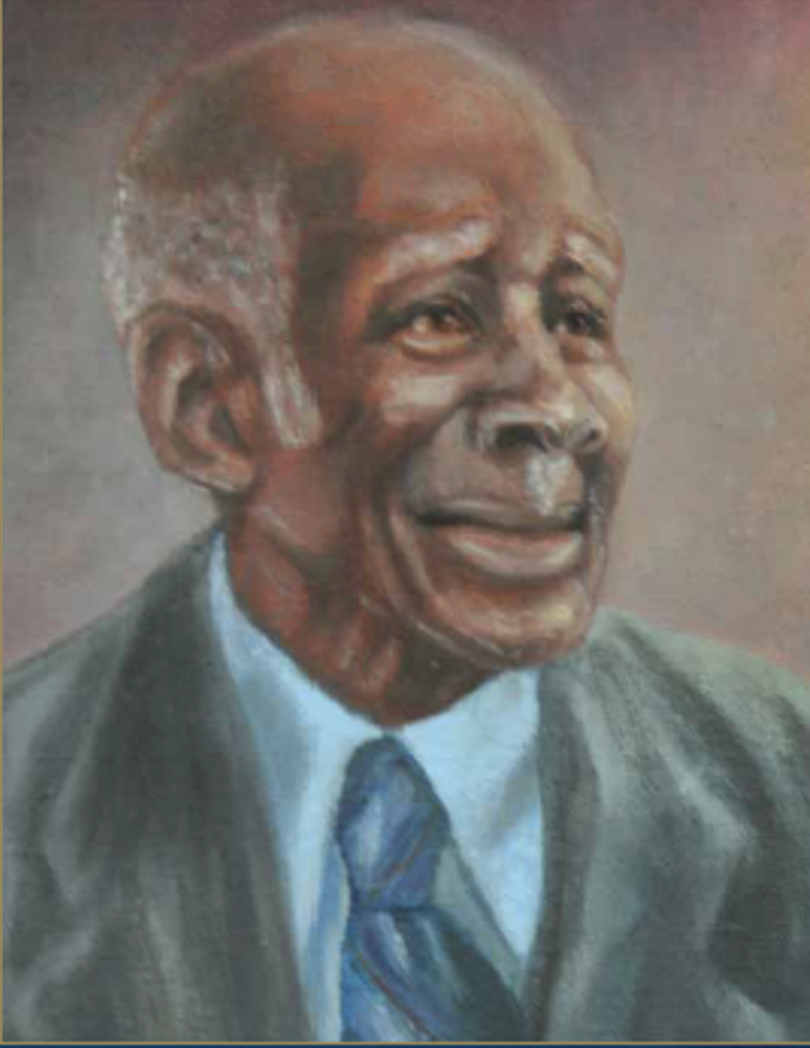
Dr. Oscar Marshall

Dr. Oscar W. Marshall, a black dentist who practiced in Staunton, Va., made a chance acquaintance with Messiah College around 1955. He attended a church service where one of the African students at Messiah spoke. In conversation after the service, Dr. Marshall was invited to visit the campus. The doctor accepted and was so favorably impressed, particularly by what the College was doing for students from less developed countries, that he resolved to leave his estate to Messiah College to provide additional scholarships for such students.

— adapted from the Messiah College Bulletin, December 1972

The Black Student Union

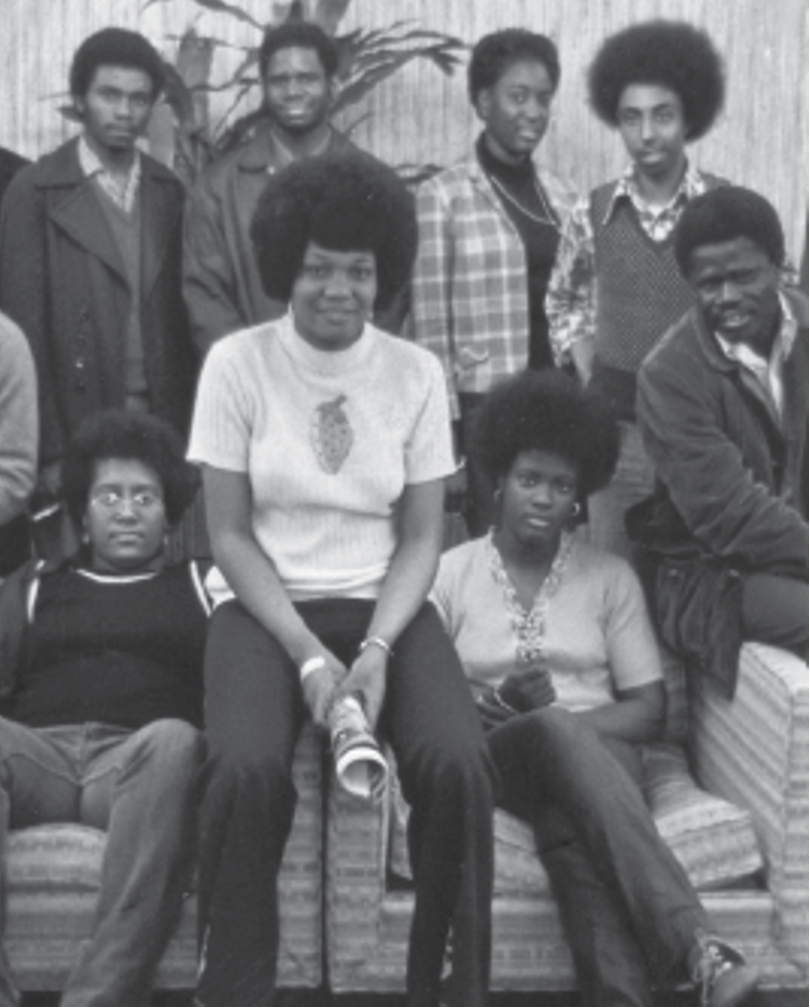
Founded in 1971, the Black Student Union (BSU) sought to “aid black students in all areas of development — spiritual, social and academic — and to develop a fellowship among black students themselves,” both at Messiah and beyond. From its inception, the BSU hosted events such as the annual Black Cultural Weekend, while playing a central role in the formation of a gospel choir. One goal the BSU had for the future was to establish a black studies program at Messiah. In the 1990s, the BSU changed its name to Phi Omega Chi in an effort to attract a broader number of students. However, in 2006 Phi Omega Chi ceased to exist. Two years later, in 2008, the BSU was revived by a group of students, and today it has a very active membership on campus.

M.P. Krikorian

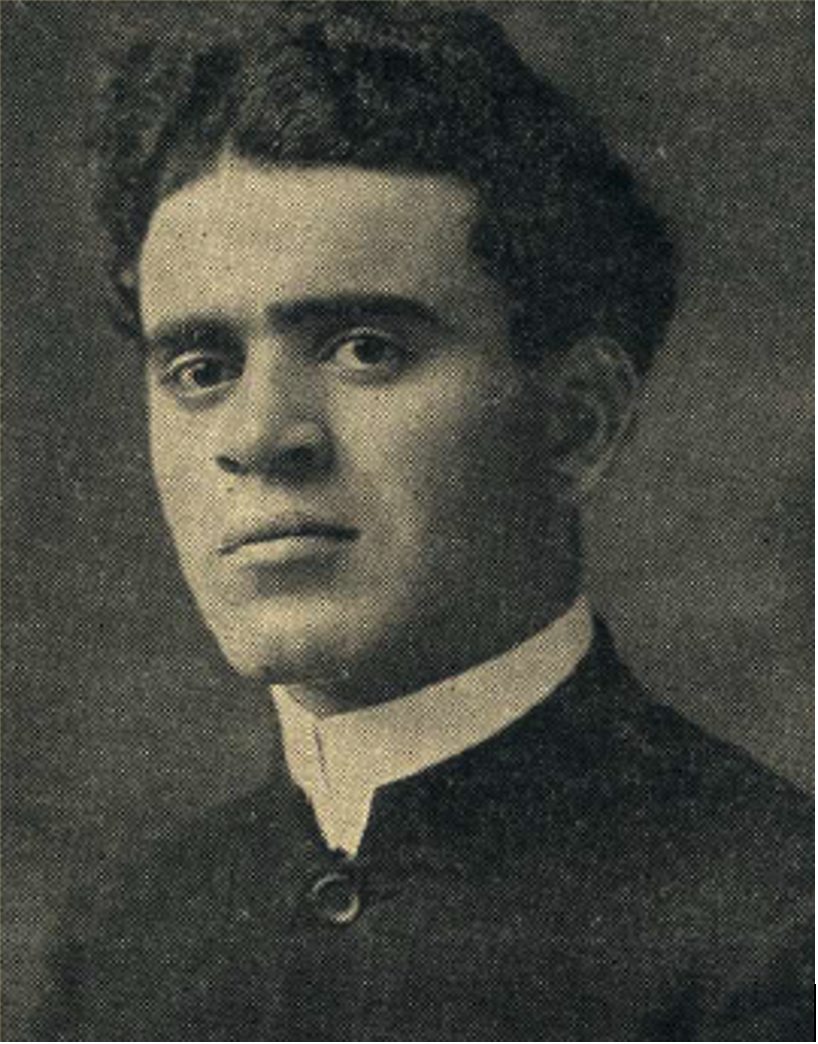
Born the son of an Armenian farmer in Hasssanbeyli (Adna Province, Turkey), Meshach Paul Krikorian fled his country following the persecution of Armenian Christians, which claimed the lives of his parents and one sister. After much traveling, Meshach was invited to the U.S. in 1911 by Rachel Krikorian who, at the behest of College president S.R. Smith, was able to help him find his way to Messiah Bible College, becoming one of the first international students to attend. He left in 1915 to complete his academic and theological studies elsewhere. After graduating, Meshach traveled and spoke on behalf of afflicted Armenians. He became an ordained minister in the Brethren in Christ Church and served in a tri-lingual parish for 12 years among Armenians in Philadelphia. In the months prior to his death in December 1974, he resided at the Messiah Home in Harrisburg. During his lifetime, Meshach had a variety of publications credited to his name, not the least of which were four books. Being such a lover and writer of books, it is fitting that, following his death, a library memorial project was announced at Messiah College which included what is now the Murray Learning Resources Center.

______________________

Photo Credits: Brethren in Christ Historical Library and Archives |  Research Assistance: The Cumberland County Courthouse • The Cumberland County Historical Society • The Office of Alumni and Parent Relations • Mollie Gunnoe • Michelle Blackford • Michelle Armster • Beth Mark • Bernardo Michael • Elizabeth Kay • Hierald Kane-Osorto • Glen Pierce • Jon Stuckey • Courtney Weller • Grace Park • Lawrie Merz