Molecular Biology Major in Pennsylvania
Explore the fascinating world of Molecular Biology at a Christian institution dedicated to faith and science. This program is perfect for students passionate about studying life at the molecular level. You can pursue a career in medicine, research, biotechnology or genetics.
100%

of first-year
students receive financial aid
students receive financial aid
98%

of the class of 2025 were
employed or in a graduate program
within 6 - 9 months after graduation
employed or in a graduate program
within 6 - 9 months after graduation
12:1

student to faculty ratio
Study Molecular Biology at a Christian University
If you enjoy learning about the structure and function of living systems and life processes or are curious about genes and how cells and organisms metabolize, grow, reproduce, interact and adapt, then a Bachelor of Science (B.S.) in molecular biology could be right for you. At Messiah University, a top private Christian university in the U.S., you’ll find the molecular biology degree program provides hands-on experience in manipulating and analyzing genes and their protein products. This program provides training for careers, Ph.D. programs and research in biotechnology, biomedical, genetic counseling and molecular ecology.
Messiah’s molecular biology bachelor degree program emphasizes the study of genes and how their products control and organize living systems and allow organisms to adapt to their environment. A common core of courses from chemistry and biology, as well as supporting courses in mathematics and physics, will prepare you for advanced molecular biology courses in the major. Laboratory components provide hands-on opportunities to manipulate and analyze genes and their protein products using current microbiology technologies. The molecular biology program may also be taken as a minor.
As a molecular biology major and minor at Messiah University, you’ll be able to:
- Study in a program where more than 2/3 of our graduating seniors score above the national average on the standardized ETS Field Test in Biology.
- Present your work at off-campus scientific meetings, such as the Pennsylvania Academy of Sciences.
- Use real-time polymerase chain reaction (PCR) instruments, fluorescence microscopes, and tissue culture hoods and incubators.
- Conduct standard molecular biology manipulations such as agarose electrophoresis, UV transilluminators, digital photography, and computer image analysis.
- Have the opportunity to work as a lab assistant, tutor or supplementary instruction leader in the department.
- Create a computer model of a protein structure.
- Participate in the School of Science, Engineering and Health Spring Research Symposium.
- Take courses with Messiah's Biological Sciences department faculty in destinations such as Costa Rica, Panama and Zambia.
- Join the Biology Club, a student-driven group where you can enjoy activities like hiking, off-campus trips and monthly "Nerd Nights."
As a graduate of the molecular biology program, you will be equipped to secure positions such as:
- Graduate student
- Molecular biologist
- Scientist
- Researcher
- Salesperson
- Lawyer
- Medical care provider
- Laboratory assistant
- Clinic supervisor
For more information on career planning for the molecular biology program, visit the Messiah University Career and Professional Development Center.
Messiah helps place students in a variety of molecular biology research programs. A few examples include:
- Messiah summer research program
- REU (Research Experience for Undergraduates) programs
- Penn State College of Medicine
- Laboratories
Programs related to Molecular Biology
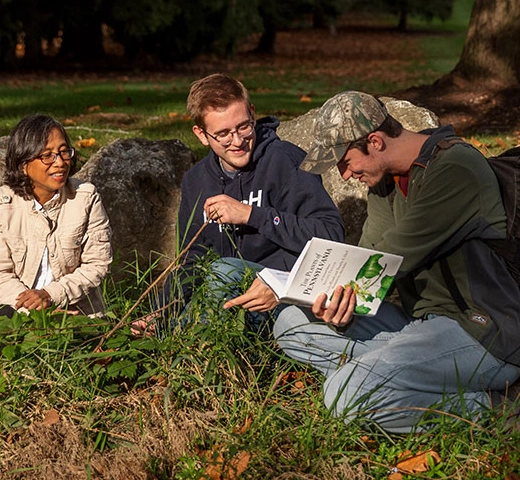
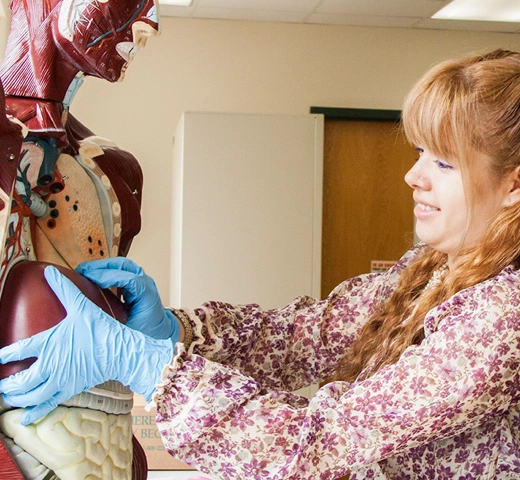
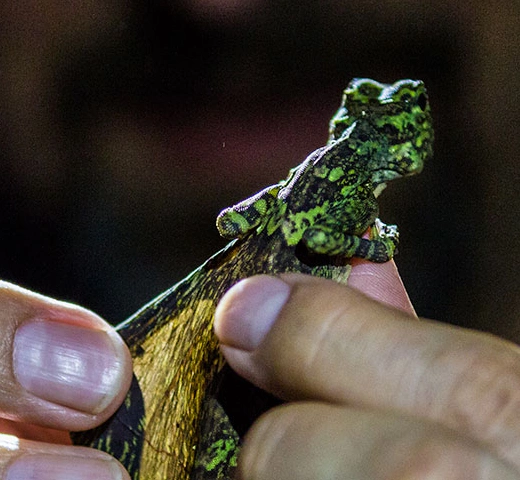
In the Molecular Biology program, you will take a selection of courses that successfully prepare you for a career in a related field. Hands-on experiences and classroom learning within the framework of Christian faith will give you the skills and knowledge to achieve your goals. Our programs offer a wide variety of courses that will not only help you excel in your future career, but challenge you to develop a deeper understanding of your field of study.
Course options for Molecular Biology:
Molecular Biology (B.S.)
Molecular Biology Minor
Careers and outcomes
Where our grads work
Graduates of this program work in positions of leadership in their places of employment, using the tools and knowledge a Messiah University education prepared them with. Each year, eager employers and some of the nation's best graduate schools welcome Messiah graduates into their organizations.
Where they work
- Thomas Jefferson University
What they do
- Medical Technologist
Graduate school
- Albany Medical College - Center for PA Studies
- University of Pittsburgh
- Western University of Health Sciences
98% of the Class of 2025 respondents were employed or in graduate school within 6-9 months of graduation.
Our Alumni
Regional and national employers seek out Messiah graduates for their academic preparation, work ethic and personal character. The transformation you experience at Messiah readies you to transform the lives of others through your chosen career path.
Research and practical learning
You will benefit from our strong emphasis on credit-bearing undergraduate research and a solid foundation in introductory biology and chemistry, cell biology, genetics, molecular biology and biochemistry. You may wish to delve into research opportunities at nearby Penn State College of Medicine or become one of Messiah’s candidates for summer Research Experience for Undergraduates (REU) programs. You may also consider applying for a campus summer research program working with familiar faculty in a microbiology research lab—complete with a stipend.
Throughout the degree program, you’ll constantly have hands-on experiences that complement your biology classes. While students lecture approximately three hours a week for each class, you also learn hands-on in the lab or field for an equal amount of time. Including ancillary training in chemistry and physics, the average biological sciences student will obtain over 432 hours of laboratory/field training before graduation
Messiah's unique approach to hands-on learning
Learning in the classroom is important but actually applying that knowledge in a hands-on way can make all the difference. At Messiah University, the Experiential Learning Initiative (ELI) allows Messiah to take this hands-on learning to a new level by giving students the opportunity to apply what they have learned to various real world contexts--such as an internship/practica, service learning, off-campus program, holding a student leadership position, or participating in undergraduate research.
Tools of the trade
While studying molecular biology at Messiah University, you will use specialized software to see molecular structures, such as DNA, and use real-time polymerase chain reaction (PCR) instruments, fluorescence microscopes, and tissue culture hoods and incubators.
Last updated: